Dear visitors: This website is currently in the development and testing phase. All itineraries, pricing information, attraction introductions, fleet configurations and other content are preliminary reference content generated with the assistance of AI tools, and do not constitute final products or services confirmed by our company.
All displayed prices, itineraries and content are not final offers and cannot be used as a basis for any contract. Please do not make any purchasing decisions based on content shown during this testing phase.
If you are interested in inquiring about any tour, please contact us through any of the following channels, and our staff will provide you with precise itineraries and quotes that have been finally confirmed by human staff:
💬 Contact Us ✉ Email: suntravel@suninteurope.com 💬 WeChat: chinaxxm123 📞 CZ Mob: +420 775 633 417 CN Mob: +86 139 0384 2939 🏢 Company: SUN INTERNATIONAL EUROPE s.r.o. 🌐 Website: www.suninteurope.com/sun-travel/The Czech Republic is our home base — we have been providing ground services in Prague since 2009. Known as the "city of a hundred spires" and one of Europe's most beautiful capitals, Prague has never suffered major wartime destruction in its thousand-year history, preserving architectural treasures from the medieval to the Baroque eras in complete form. As a resident ground operator in Prague, no guide accommodation needs to be arranged here, allowing flexible coordination with any itinerary. Beyond Prague, the Czech Republic also offers the fairy-tale town of Český Krumlov, the famous spa city of Karlovy Vary, and Kutná Hora, home of the Ossuary chapel.
The largest ancient castle complex in the world, certified by Guinness World Records at 70,000 square meters. Construction began in the 9th century and continued over a thousand years of extensions and renovations, blending Romanesque, Gothic and Baroque styles. St. Vitus Cathedral is the heart of the complex, its stained-glass windows glowing in the sunlight. The Old Royal Palace was once the residence of Bohemian kings, and Golden Lane is famous for having been home to Franz Kafka. From the castle, look down over all of Prague — a sea of red rooftops with the Vltava River winding through.
A stone arch bridge spanning the Vltava River, construction began in 1357; it links Prague's Old Town with the Castle District. Thirty Baroque statues of saints line the bridge, each with its own legend. In the early morning the bridge is veiled in mist and serenity; at sunset the golden light bathes the bridge deck — a paradise for photographers. Gothic bridge towers stand at both ends; climb them for panoramic views of both banks. It is said that if you touch the bronze plaque on the statue of St. John of Nepomuk and make a wish, you will return to Prague one day.
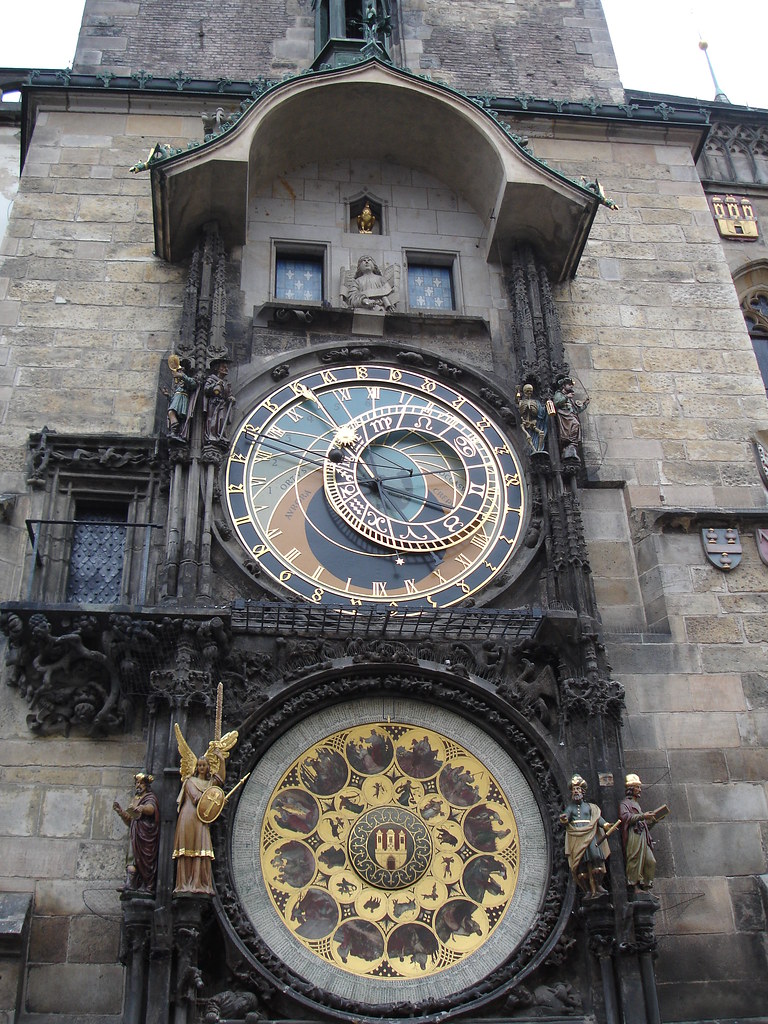
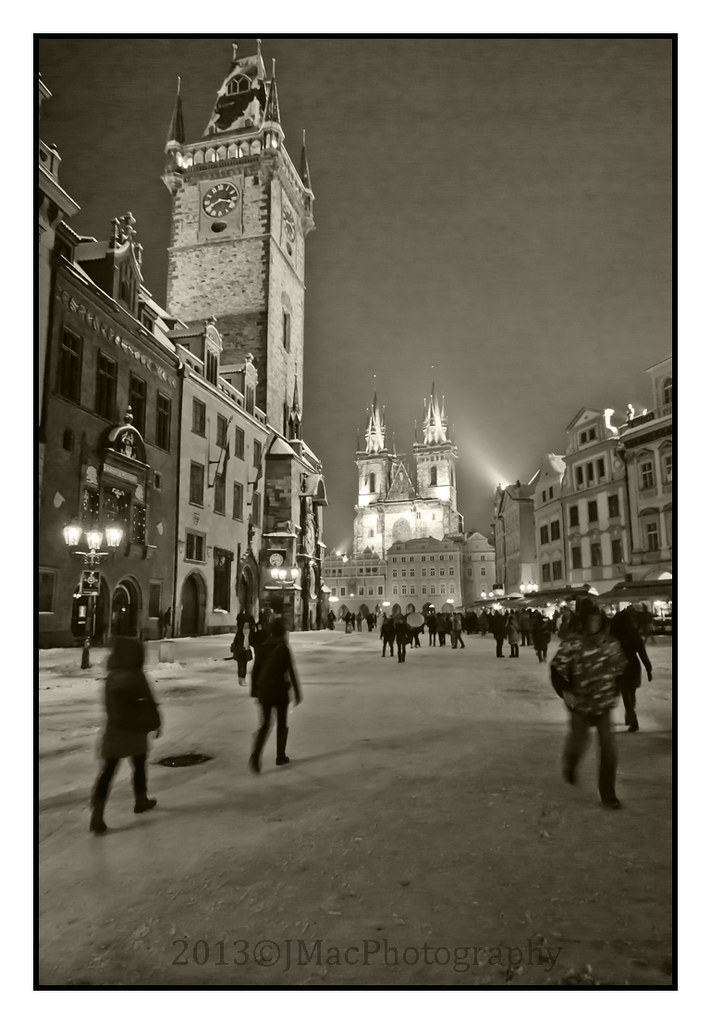
The heart of Prague, surrounded by the twin Gothic towers of Týn Church and the Baroque Church of St. Nicholas. Every hour, the Astronomical Clock puts on its show as the Twelve Apostles file past the windows above the dial, Death rings his bell and the rooster crows — a spectacle that has run for over 600 years. The dial displays the positions of the sun and moon in the sky, the zodiac signs and the old Czech calendar of holidays. The square is ringed with cafés and restaurants, the best place to soak up the atmosphere of Prague life.
A UNESCO World Heritage site, hailed as "Europe's most beautiful fairy-tale town". Wrapped in a horseshoe bend of the Vltava River, its red rooftops cascade layer upon layer beneath the towering painted tower. Founded in the 13th century, the town preserves its medieval layout intact. Český Krumlov Castle is the second largest in the Czech Republic, and its Baroque theatre still retains its original 18th-century stage sets. Strolling the cobbled lanes feels like stepping back centuries. It is about a 2.5-hour drive from Prague.
The Czech Republic's most famous spa town, renowned for hosting luminaries such as the writer Goethe and Tsar Peter the Great. Fifteen thermal springs bubble up in the town, the most spectacular being the Vřídlo geyser with its 12-meter-high fountain. Visitors can buy a special spa cup and taste the waters, which differ in temperature and mineral content. The town hosts the Karlovy Vary International Film Festival every year, one of Europe's most important film festivals. It is about a 1.5-hour drive from Prague.
The Sedlec Ossuary — a small chapel decorated with the bones of over 40,000 people. In the 13th century, the local abbot brought back a handful of holy soil from Jerusalem and scattered it over the church cemetery, making this the most sought-after burial ground in Central Europe. The Black Death of the 14th century and the Hussite Wars of the 15th caused mass death, and the accumulated remains were arranged by a half-blind monk into the decoration seen today — bone chandeliers, bone coats of arms and bone pyramids — at once awe-inspiring and a profound meditation on the meaning of life.
Prague's oldest brewery, in continuous operation since 1519. Czech dark beer Svijany straight from the cask pairs with traditional roast pork knuckle, roast duck and sour cabbage dumplings (knedlíky), all served in a timbered hall that has preserved its six-century-old character.
View / Book ↗A star of the Czech local chain, specializing in traditional Bohemian home cooking. The must-have beer is fresh Pilsner Urquell; Czech dumplings, roast duck and rolled apple pork are all authentic and delicious.
View / Book ↗A national-treasure Czech crystal brand founded in 1857, famous for "lead-free crystal" and hand cutting. Flagship stores in central Prague and Karlovy Vary offer on-site custom engraving.
View / Book ↗A Czech homegrown chain specializing in herbal cosmetics, spa wafers, traditional marionettes and Bohemian garnet jewelry. Ideal for souvenirs and experiential shopping, with stores across Prague.
View / Book ↗Completed in 1881, the Czech National Theatre is a symbol of Czech culture and national spirit. Home to opera, ballet and drama companies, the building itself is a Neo-Renaissance masterpiece. Book online; reserve a month ahead in peak season.
View / Book ↗Hungary is one of the core countries of Central & Eastern European travel; its capital Budapest is known as the "pearl of the Danube". The city was formed by the merger of Buda and Pest, split by the Danube, with the two banks differing yet harmonizing in architectural style. Empress Sisi's love for Hungary fills the city with romantic legend. Beyond Budapest, Lake Balaton (the largest freshwater lake in Central Europe) and Lake Hévíz thermal lake are not to be missed.
One of Europe's oldest legislative buildings and Budapest's most magnificent landmark. Neo-Gothic in style, inspired by the Palace of Westminster in London. The central dome tower rises 96 meters, symbolizing the year 896 when Hungary was founded. The interior uses 40 kilograms of gold and contains 691 rooms. It houses the Hungarian crown — the Holy Crown of St. Stephen — the symbol of Hungarian state power. When illuminated at night, its golden reflection in the Danube is breathtaking.
The highest vantage point in Budapest, a white complex in Neo-Gothic and Neo-Romanesque styles built in the early 20th century. In medieval times the fishermen's guild was responsible for defending this stretch, hence the name. The seven towers represent the seven Magyar tribes who settled the Carpathian Basin in 896. From the bastion's colonnades you get a 360-degree panorama of Budapest — the Danube winding below, the golden dome of Parliament, and the Pest side spread out before you. It is said to be the most beautiful place in the city to watch the sunset.
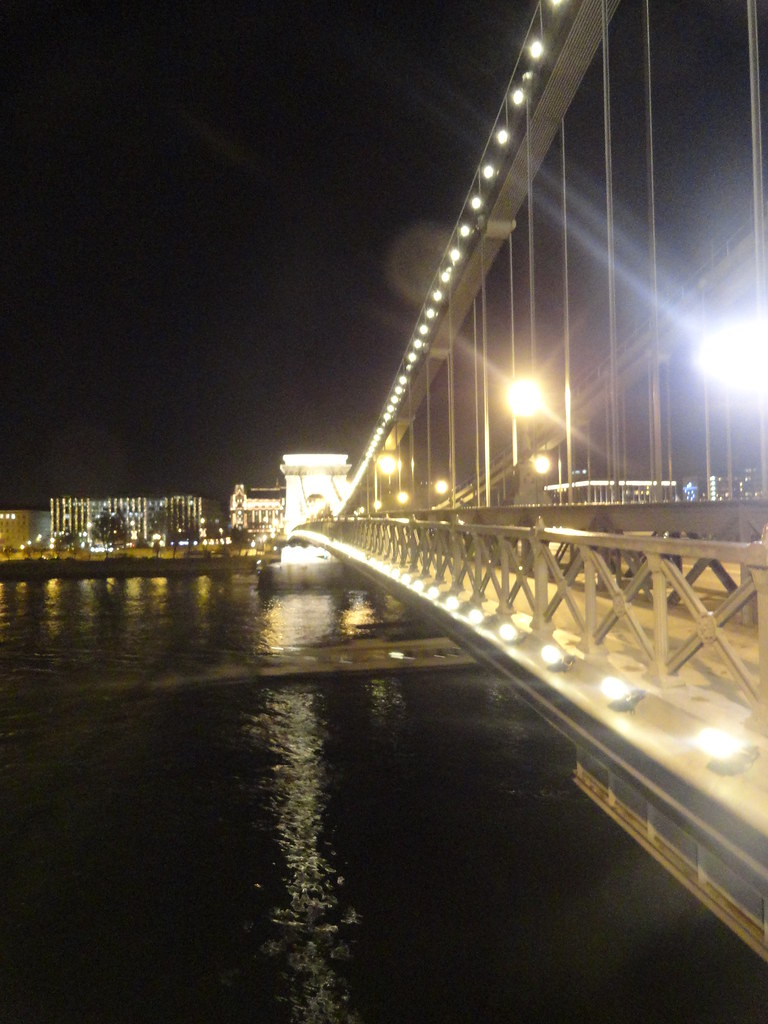
Budapest's oldest and most beautiful bridge, opened in 1849 as the first permanent bridge linking the two cities of Buda and Pest. The stone lions at the bridgeheads cut imposing figures; legend says the lions have no tongues, and that the sculptor, mocked for this, drowned himself in the Danube — though in fact the lions do have tongues. At night the Chain Bridge blazes with lights, mingling with the Parliament's illumination in a classic scene of a Danube evening cruise.
Buda Castle stands atop Castle Hill, once the palace of Hungarian kings and now home to the Hungarian National Gallery and the Budapest History Museum. Beside it, Matthias Church was the coronation site of Hungarian kings, blending Neo-Gothic, Art Nouveau and folk styles; its colorful mosaic roof gleams brilliantly in the sun. In 1867, Empress Sisi and Franz Joseph I were crowned Queen and King of Hungary here. The Fisherman's Bastion beside the church complements it perfectly, forming Budapest's most classic view.
The largest freshwater lake in Central Europe, covering 596 square kilometers and affectionately called the "Hungarian Sea". The Tihany Peninsula on the north shore is a national park reserve; its Benedictine abbey church is the peninsula's landmark. When the lavender fields bloom, they spread like a purple sea, dotted with native Hungarian grey cattle and paprika houses. Balatonfüred on the lakeshore was a favorite resort of Empress Sisi. Lake Hévíz, the largest natural thermal healing lake in the world, maintains a year-round temperature of 23-25°C.
Opened in 1894, a national-treasure Hungarian restaurant serving traditional cuisine: goulash (Gulyás), stuffed cabbage with foie gras, and Tokaji sweet wine flambé desserts. Garden courtyard with live Gypsy violin.
View / Book ↗Called the "world's most beautiful café", its gilded Italian Renaissance hall has been operating since 1895. Order a coffee with Dobos torte and sit where 19th-century aristocrats once sat.
View / Book ↗Founded in 1826, Hungary's national-treasure porcelain brand; the iconic "Victoria" pattern and "Chinese" series are official Hungarian state gifts. Shop at the Budapest flagship and arrange tax refund.
View / Book ↗A wrought-iron and brick historic building from 1897; the ground floor brims with foie gras, paprika, Tokaji sweet wine and peppers — Hungary's largest indoor food market.
View / Book ↗1-hour or 2.5-hour cruise routes passing the Parliament, Chain Bridge, Buda Castle and Matthias Church; the Danube at night is ranked among the "world's top ten nightscapes".
View / Book ↗Austria was the heart of the Habsburg Empire for 600 years; its capital Vienna is truly the "city of music" and "imperial city". Mozart, Beethoven, Schubert, Strauss — countless musical giants left immortal works here. Follow Empress Sisi's footsteps at Schönbrunn Palace, and watch the Gothic spire of St. Stephen's Cathedral pierce the sky. Beyond Vienna, the lakeside town of Hallstatt is as beautiful as a fairy tale, and Salzburg is Mozart's birthplace and the filming location of The Sound of Music.
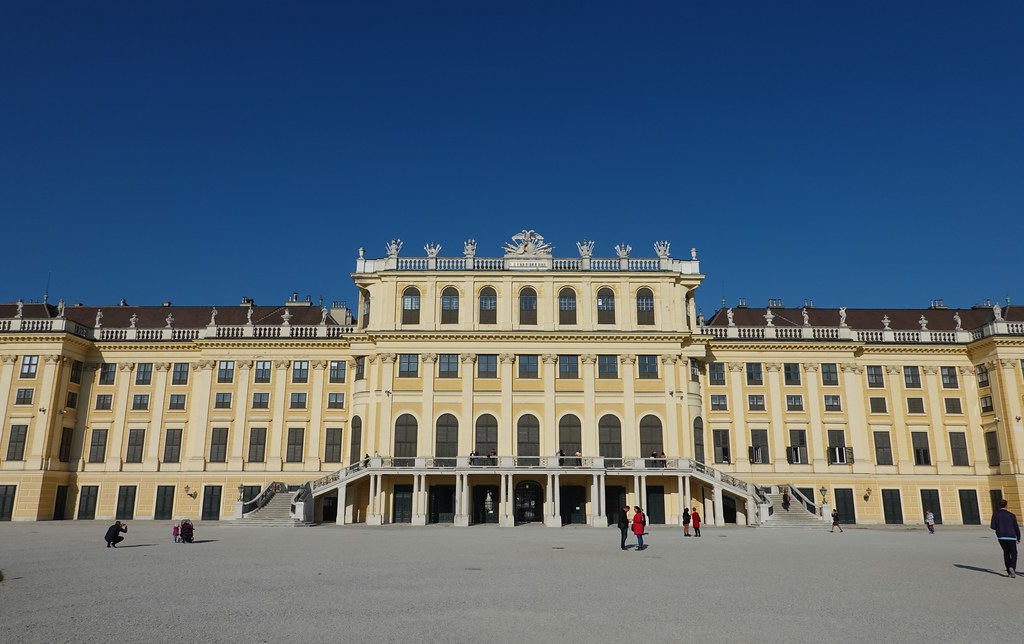
The second largest palace in Europe after Versailles, the summer residence of the Habsburgs. With 1,441 rooms, the most famous are Empress Sisi's bedroom and Emperor Franz Joseph's study. The Baroque gardens are vast, and the Gloriette viewing terrace offers a panorama of all Vienna. The "Million Room" inside is faced with rosewood inlaid with gold ornaments — the pinnacle of European Rococo. Schönbrunn Palace is a UNESCO World Heritage site.
Vienna's landmark; its 137-meter Gothic spire is the most striking feature of the city skyline. Construction began in the 12th century and continued for centuries. Climb the 343 steps of the south tower to overlook Vienna's old town. The roof is tiled with 250,000 colored tiles forming the Habsburg double-headed eagle, magnificent from afar. The catacombs hold the remains of thousands of Black Death victims and the viscera of Habsburg monarchs. Mozart's funeral was held here before his burial.
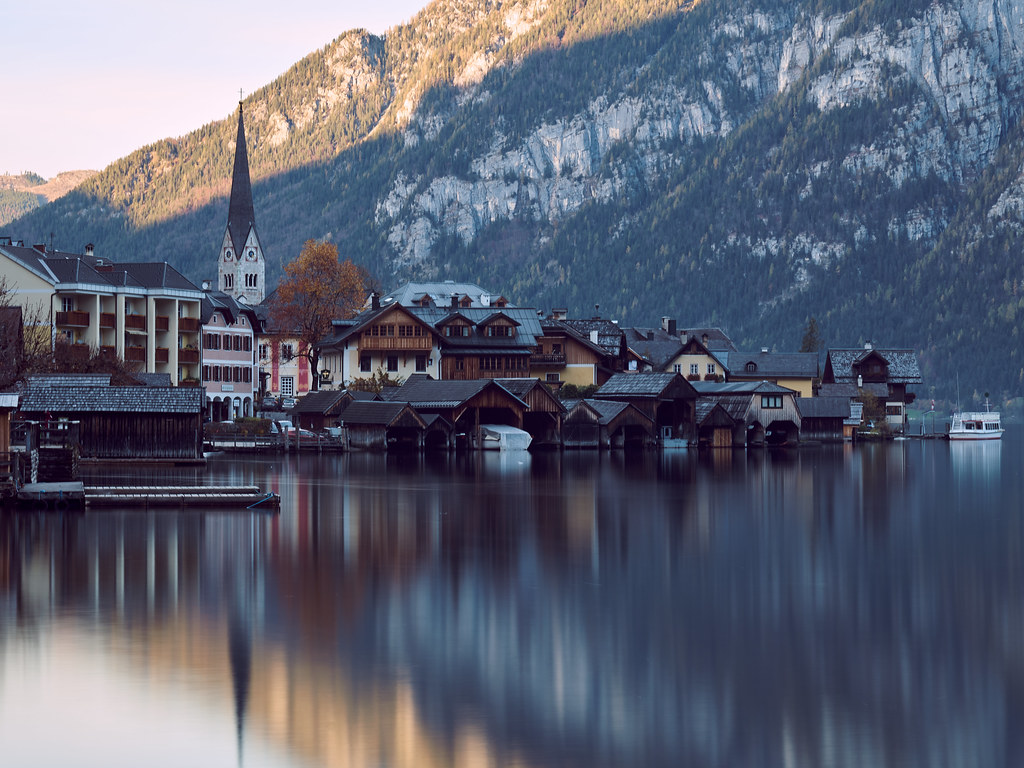
A UNESCO World Heritage site, hailed as the "most beautiful town in the world". Nestled between mountain and lake, timber houses rise in tiers and are mirrored in the clear waters of Lake Hallstatt — dreamlike and enchanting. The charnel house of the local parish church holds 1,200 skulls, each painted with floral motifs and the deceased's name — a different tribute to life. Take the cable car up to the salt mine 360 meters above the lake for a panorama of the whole lake district and town. About a 1-hour drive from Salzburg.
Mozart's birthplace and the filming location of The Sound of Music. The old town is a UNESCO World Heritage site. Hohensalzburg Fortress crowns the hilltop, one of the largest medieval castles in Europe. Getreidegasse is lined with boutiques, and the yellow house where Mozart was born stands on this street. Mirabell Gardens is where the children sing "Do-Re-Mi" in the film. The annual Salzburg Festival is one of the world's three greatest music festivals.
One of the world's four great opera houses; the Neo-Renaissance building is itself an artistic masterpiece. The New Year's Concert held here on January 1 is broadcast live to over 90 countries, Strauss waltzes resounding through the gilded hall. The opera house has 1,869 seats and one of the most advanced stages in the world. The annual Opera Ball is a highlight of Viennese high society. Even without a performance, a guided tour lets you glimpse this temple of the arts.
The "originator of the Wiener Schnitzel", in business since 1905. One schnitzel is so large it hangs over the plate — jokingly called the "Viennese national emblem".
View / Book ↗The benchmark for Vienna's traditional Tafelspitz boiled beef, now run by the fourth generation of the family. Served with apple-horseradish sauce and creamed spinach — pure "Viennese flavor".
View / Book ↗A Viennese classic since 1890; the pink-boxed "Vienna Kiss" Manner Schnitten almond wafers are Austria's national souvenir. Watch them made fresh at the Naschmarkt store.
View / Book ↗A Salzburg specialty — green-wrapped hazelnut-almond chocolates. Originally produced at the 1890 Fürst café or the Mirabell factory store, one of Austria's most recognizable souvenirs.
View / Book ↗Completed in 1870, one of the "world's five great concert halls" and the permanent home of the Vienna New Year's Concert. The Vienna Philharmonic and Strauss Orchestras perform year-round; tickets available online or at the box office.
View / Book ↗North-central Germany comprises six states — Berlin, Brandenburg, Saxony, Saxony-Anhalt, Thuringia and Mecklenburg-Western Pomerania — formerly the territory of the German Democratic Republic (East Germany). Here you find the Berlin Wall memorial and Brandenburg Gate, Dresden the "city of a hundred spires" on the Elbe, Leipzig where Bach rests, the Prussian palaces of Brandenburg, the Baltic seashore and the Mecklenburg lake district. Culturally it spans brilliant Baroque (Dresden's Zwinger), the Age of Enlightenment (the Leipzig Gewandhaus Orchestra) and the East German symbols of Cold War memory.
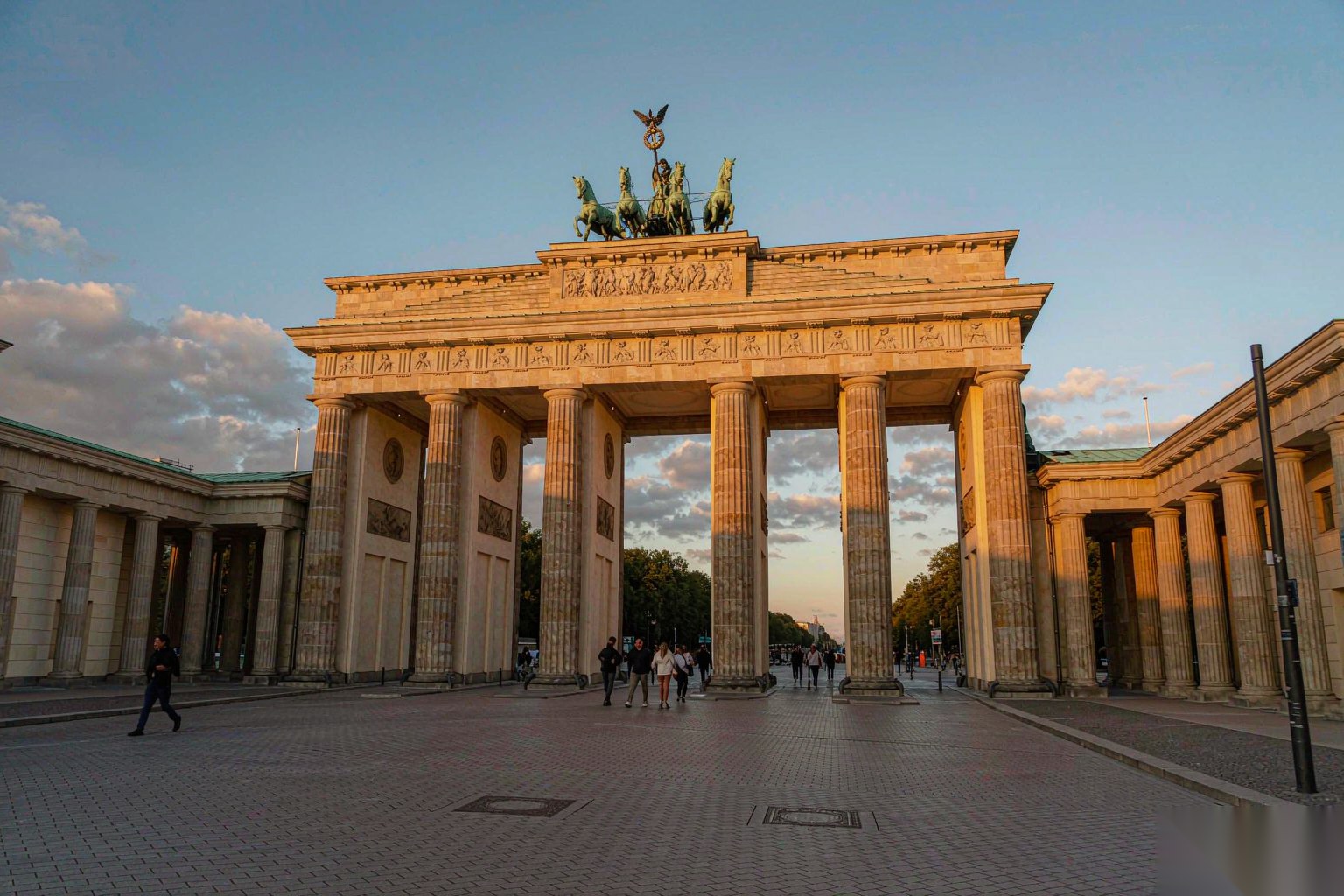
A Berlin landmark, the Prussian Neoclassical triumphal arch completed in 1791, crowned by the goddess of victory driving a four-horse chariot. After the Wall fell in 1989, the Gate became the symbol of German reunification. Walk along the East Side Gallery (the longest remaining stretch of the Wall) to see famous Cold War murals such as the "Brother Kiss".
A UNESCO World Heritage site — the "five-museum complex" on the Spree: the Pergamon Museum (the Ishtar Gate of Babylon), the Neues Museum (the bust of Nefertiti), the Alte Nationalgalerie, the Bode Museum and the Altes Museum. One combined ticket covers a full day.
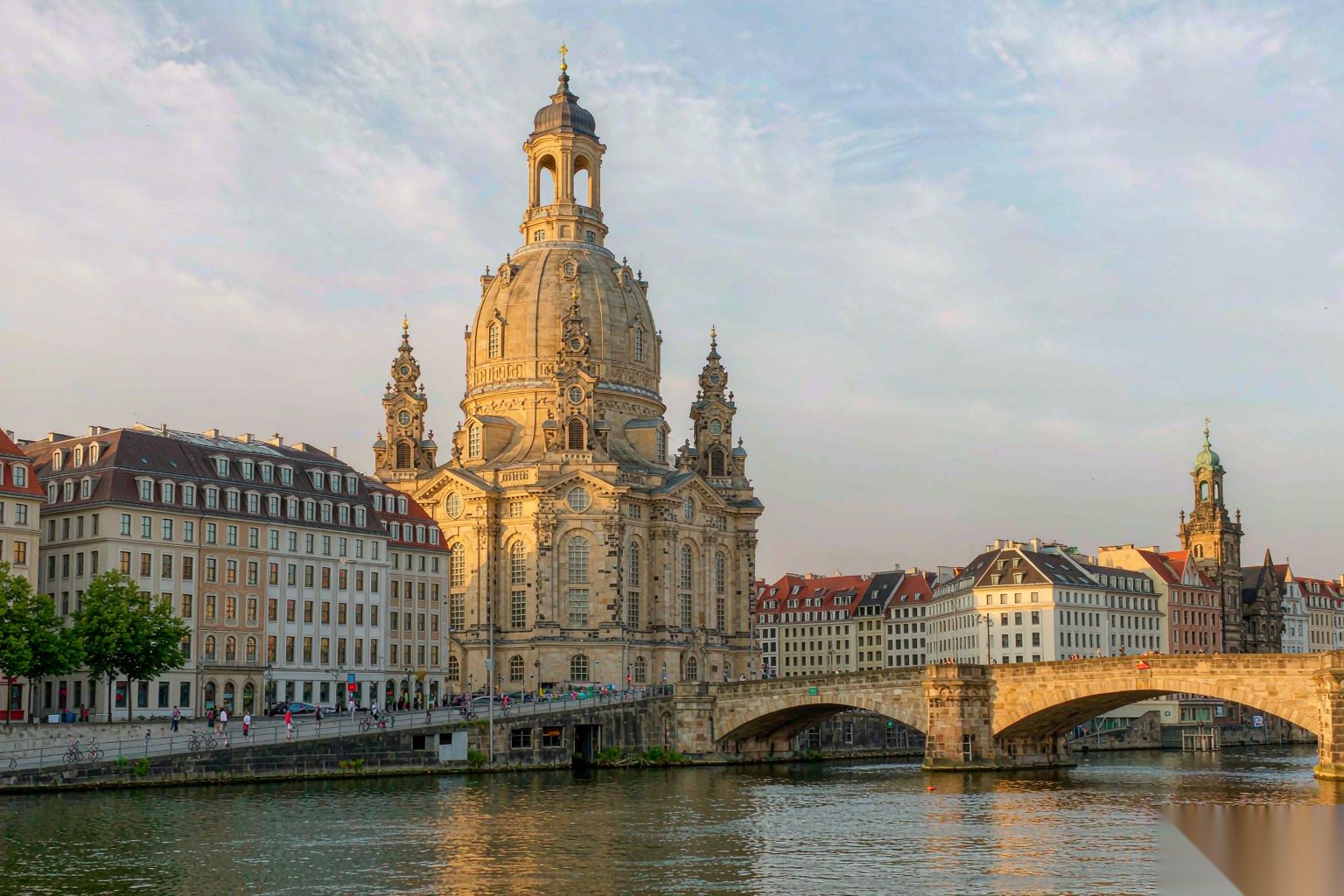
Dresden, the "Florence on the Elbe". The Frauenkirche, destroyed in WWII and rebuilt in 2005, still bears dark shrapnel scars from the old church on its new golden dome — a symbol of German reconciliation. The Zwinger is a masterpiece of Baroque architecture, housing the "Green Vault" treasure chamber and the Old Masters Picture Gallery.
St. Thomas Church is where Bach rests; Bach served as its cantor from 1723 to 1750. The adjacent Gewandhaus is a famous classical concert hall with a Mendelssohn statue out front; the Leipzig Gewandhaus Orchestra is one of the oldest civic orchestras in Europe.
Potsdam's UNESCO World Heritage sites. Sanssouci, Frederick the Great's Rococo summer palace with its vineyard terraces, is called "the Prussian Versailles". Cecilienhof Palace hosted the Potsdam Conference in August 1945.
Schwerin Castle ("the Neuschwanstein of the North"), Warnemünde, the chalk cliffs of Rügen and the Baltic resort island of Usedom. In summer, Germans vacation here — fresh air and first-rate seafood.
Berlin's oldest documented restaurant, opened in 1621; Frederick the Great, Bismarck and Beethoven were all guests. Traditional German fare: sauerbraten pork, grilled sausages and apple strudel, near Alexanderplatz.
View / Book ↗Leipzig's landmark wine cellar, opened in 1525, where Goethe wrote the first part of Faust. The bronze sculpture of Faust and the Devil at the table is a must-photo spot; traditional Saxon dishes with Saxon wines.
View / Book ↗Europe's first porcelain factory (1710); the "blue crossed swords" mark is the highest hallmark of European porcelain. Buy at the Meissen factory store or the Dresden Zwinger museum shop — 20-30% cheaper than at the airport.
View / Book ↗The East German traffic light figure, rebranded after the Wall fell by designer Marcus Dworan into Germany's cutest travel souvenir. Keychains, mugs and hipster T-shirts — everything is available.
View / Book ↗An Italian Renaissance opera house completed in 1841, one of the "world's top ten opera houses". Many works by Wagner and Richard Strauss premiered here. Summer festival tickets available on the official website.
View / Book ↗Poland is one of the largest countries in Central & Eastern Europe, with a profound and turbulent history. Warsaw, the capital, was almost razed to the ground in WWII, yet after the war the Poles rebuilt the old town exactly as it was, with astonishing perseverance. Kraków, Poland's former capital and cultural heart, survives intact. Auschwitz is a wound in history that every visitor must confront, a reminder that humanity must never repeat it. The Wieliczka Salt Mine is a wonder of the underground world.
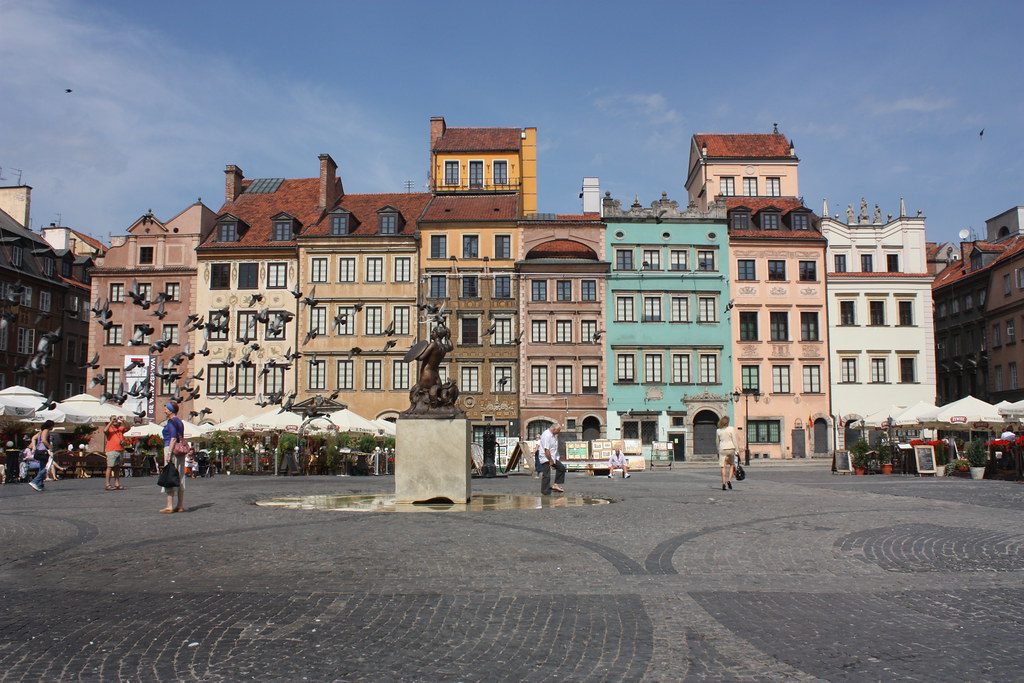
A UNESCO World Heritage site — the only World Heritage site in the world that was "almost entirely rebuilt". After the Warsaw Uprising failed at the end of WWII, the Nazis destroyed 85% of the old town. Using 18th-century paintings and architectural drawings, the Poles rebuilt the old town brick by brick over 13 years. The Royal Castle on Castle Square, St. John's Cathedral, the Old Town Market Square and the Mermaid statue form the core of the old town. This reconstruction is called "the greatest cultural restoration project of the 20th century".
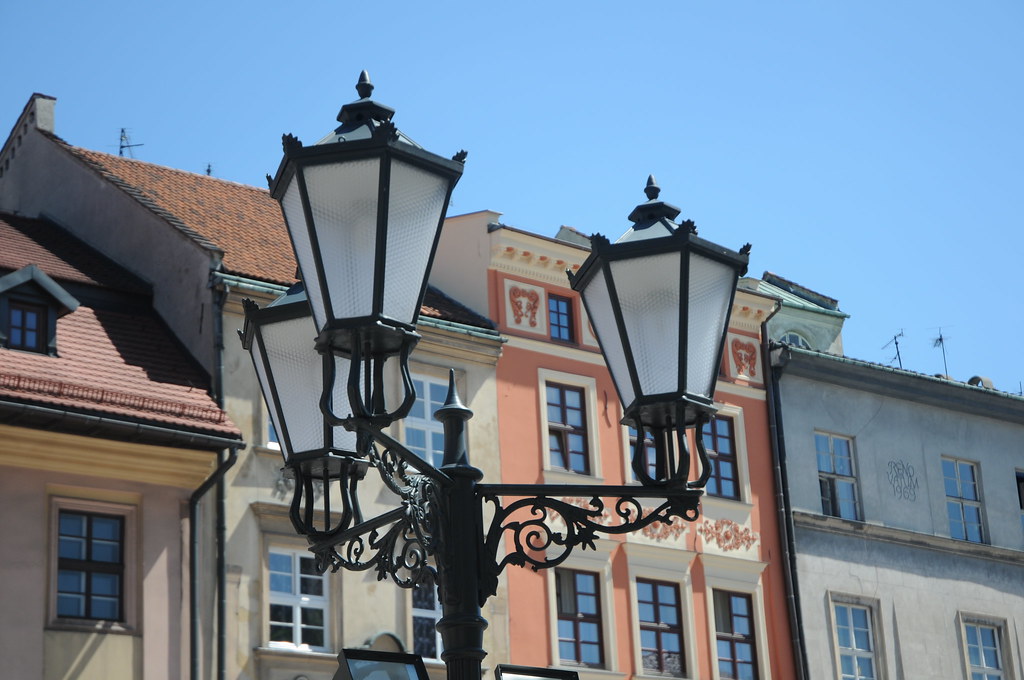
Poland's former capital and cultural heart, one of the few Central European old towns spared in WWII. A UNESCO World Heritage site; its Main Market Square is the largest medieval square in Europe. The Renaissance Cloth Hall arcades house a dazzling array of shops. Every hour, a trumpeter plays from St. Mary's Basilica tower, but the melody stops abruptly at its climax — legend says that during a Mongol invasion the trumpeter was struck by an arrow in the throat; this "unfinished melody" has sounded for 700 years. Wawel Castle and Wawel Cathedral are where Polish kings were crowned and buried.
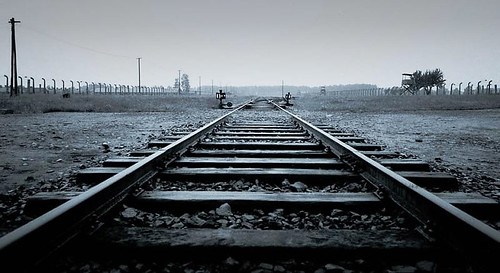
A UNESCO World Heritage site and the largest extermination camp of Nazi Germany. 1.1 million people were systematically murdered here, about 1 million of them Jews. The slogan "Arbeit macht frei" (work sets you free) above the iron gate is the bitterest irony. The gas chambers, crematoria and mountains of shoes and hair leave every visitor breathless. This is not a "sightseeing" trip but a questioning of human conscience. About a 1-hour drive from Kraków.
A UNESCO World Heritage site — a salt-mine labyrinth stretching 300 kilometers at 327 meters underground, mined for over 700 years. The mine holds countless salt sculptures — from altars and saint statues to underground lakes, all carved from rock salt by miners. The most stunning is the Chapel of St. Kinga, 10 meters high, its salt chandeliers sparkling in the refracted light of the salt rock. The mine was among the first sites inscribed on the World Heritage list in 1978, together with Auschwitz. About a 30-minute drive from Kraków.
One of Poland's oldest restaurants, the banquet venue for Polish kings and nobles since the 14th century. Traditional Polish cuisine: bigos hunter's stew, pierogi dumplings and roast meats.
View / Book ↗A specialist in pierogi, Poland's national comfort food. Similar to Chinese dumplings, but filled with mashed potato and cheese, minced meat, mushrooms or fruit, and served boiled, fried or baked.
View / Book ↗Gdańsk, the amber capital of the Baltic, hosts Europe's largest amber market on Mariacka Street and the Long Market. Top-grade insect-inclusion amber, blue amber and blood amber abound — visit the museum before you buy.
View / Book ↗Poland's national spirit, flavored with bison grass from the Białowieża Forest. The blade of grass in the bottle is its signature; buy at Warsaw duty-free or the Empik department store.
View / Book ↗15 km from Kraków, a UNESCO World Heritage site. Mined since the 13th century, 327 meters deep, with underground salt-carved chapels and lakes. Tourist tours plus underground hotel and restaurant, open daily.
View / Book ↗Estonia is the northernmost of the three Baltic states, facing Finland across the Gulf of Finland. The UNESCO World Heritage old town of its capital Tallinn is one of the best-preserved medieval cities in Europe. Small in size but advanced in technology (birthplace of Skype and TransferWise), Estonia is 50% forest — the "Switzerland of the Baltic".
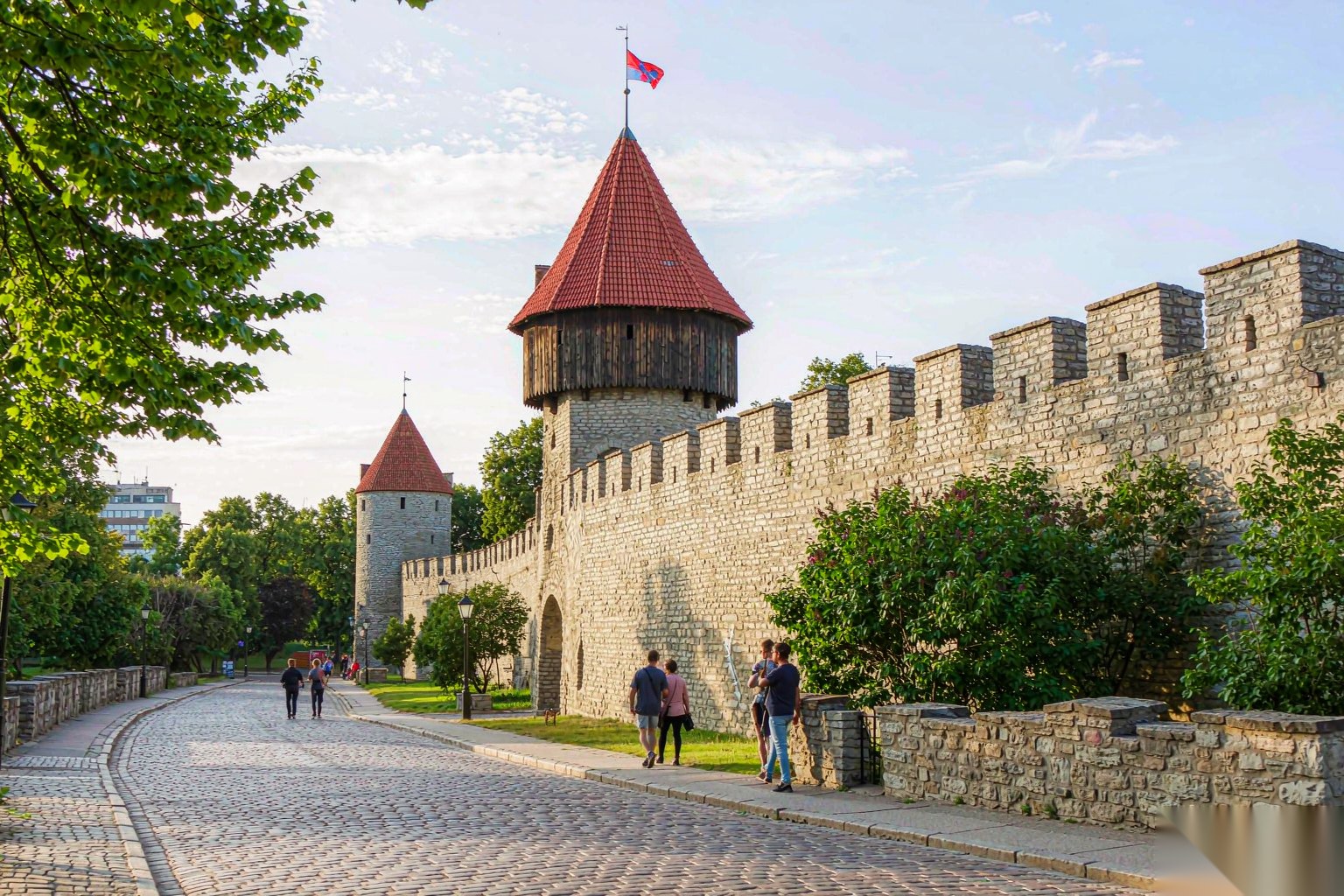
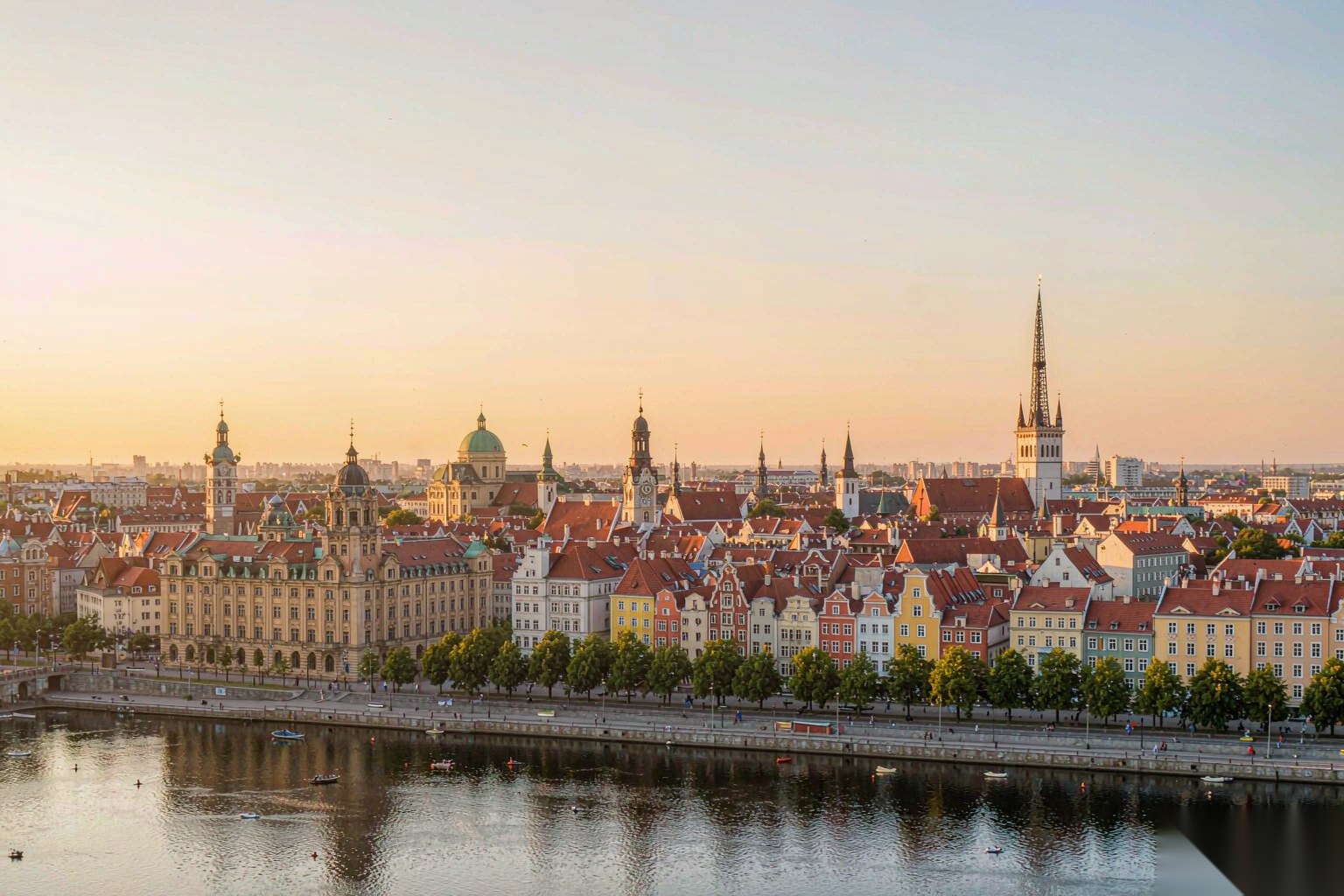
One of the best-preserved medieval Nordic cities. It is divided into the Upper Town (Toompea Hill — churches and parliament) and Lower Town (merchants and craftsmen). The Town Hall Square and the black onion domes of Alexander Nevsky Cathedral are the classic landmarks.
A Baroque summer palace built by Peter the Great for his wife Catherine I, completed in 1718. Its gardens house the Kadriorg Art Museum with 16th-20th century Western European and Russian art.
Estonia's largest national park (725 km²), 70 km from Tallinn. Primeval forests on the Baltic coast, sea cliffs, and the 19th-century manor estates of Palmse and Sagadi. Hike, cycle, and spot moose and bears.
The largest island in the Baltic; Kuressaare's medieval bishop's castle from the 14th century is superbly preserved. The island also offers the Kuressaare spa hotel and the Panga chalk cliff.
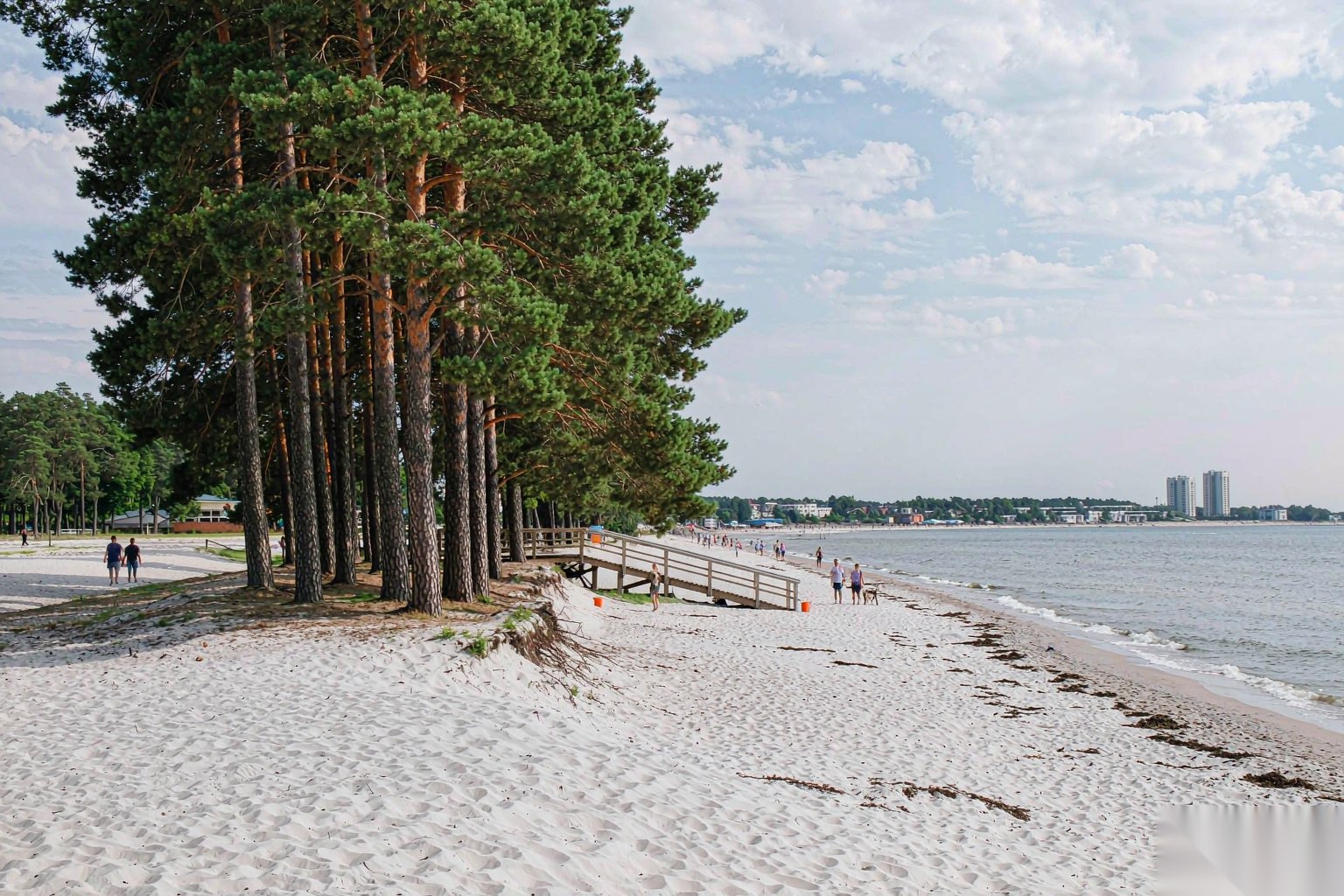
Estonia's "summer capital" and one of the oldest Baltic resorts — a sea bathing destination for Estonian nobility since 1838. White sand, pine forests, spa hotels and Estonia's largest beach.
A 314-meter tower built in 1980 during the Soviet era, designed to broadcast Soviet signals across Europe. The observation deck at 170 meters offers views of Tallinn and the Gulf of Finland.
A Tallinn old town landmark; staff wear medieval costume and the menu offers only Estonian medieval fare: wild boar, honey beer, roast venison and rye bread. Candlelight and smoke for a full time-travel experience.
View / Book ↗Year after year TripAdvisor's No.1 family restaurant in Tallinn. Estonian forest ingredients with modern plating — venison, mushrooms and Baltic herring, all exquisite. Tucked at the end of an old town lane, warmly atmospheric.
View / Book ↗A flagship concept store in Tallinn's Kalasadam design district, gathering Estonian designers: wooden furniture, ceramics, linen clothing and glass ornaments — all tax-refundable.
View / Book ↗Small shops line Viru Street and Town Hall Square. Buy Baltic amber, Estonian rukkileib rye bread, kapsas sauerkraut and Viru Valge Estonian vodka.
View / Book ↗The Estonian National Theatre, completed in 1906, home to opera and ballet companies. Works by contemporary Estonian composer Arvo Pärt often premiere here; English performances bookable on the official site.
View / Book ↗Latvia lies on the eastern shore of the Baltic Sea. Its capital Riga is the largest city of the three Baltic states, nicknamed the "Paris of the North". Riga's old town is a UNESCO World Heritage site, and its Art Nouveau architecture is the most concentrated in Europe.
A UNESCO World Heritage site. The 123-meter tower of St. Peter's Church offers a city panorama; the House of the Blackheads, a 14th-century Hanseatic merchants' guildhall destroyed in WWII and restored in 1999, is Riga's landmark.
Riga has the densest concentration of Art Nouveau architecture in Europe — over 800 buildings along Alberta and Elizabetes streets, built 1901-1908. The apartment buildings by Miķelis Eizenšteins are famed for their ornate reliefs.
A UNESCO World Heritage site — a food market housed in five converted German Zeppelin hangars, one of the largest food markets in Europe. Buy Baltic fish preserves, rye bread and Baltic amber.
Latvia's "summer capital" — 30 km of white sand backed by pine forest, a Baltic resort for European nobility since the 19th century. Wooden Art Nouveau villas line the coast; it is the "Cannes of the Baltic".
50 km from Riga, the "Switzerland of Latvia". Sigulda's medieval castle, Turaida Castle, and a cable car across the Gauja river valley. Most beautiful in the autumn foliage season.
Latvia's oldest medieval castle (13th century), once a stronghold of the Livonian Order. St. John's Church in the old town holds 15th-century painted wooden carvings.
Housed in a 13th-century building in Riga's old town, serving New Nordic cuisine. One of Riga's only Michelin-recognized restaurants; the menu changes monthly, highlighting Latvian ingredients: black truffle, Baltic fish and game.
View / Book ↗A favorite underground cellar restaurant-bar among young Latvians at fair prices. Latvian grey pea pelmeņi dumplings, dark rye beer and Baltic herring sandwiches.
View / Book ↗A UNESCO World Heritage site — a food market in four converted Zeppelin hangars. Latvian Riga Black Balsam, Baltic fish preserves, amber and rye bread.
View / Book ↗Tirgoņu and Kalēju streets in Riga's old town are a Baltic amber hub. Latvian amber is prized for its clarity and intact inclusions; many shops offer GIA certificates.
View / Book ↗Founded in 1919, one of the oldest opera houses in the Baltics. Opera, ballet and contemporary dance; English performances bookable on the official website.
View / Book ↗Lithuania is the southernmost and largest of the three Baltic states. The old town of its capital Vilnius is a UNESCO World Heritage site with more Baroque architecture than anywhere else in Europe. Historically, Lithuania was once the largest country in Europe (the Grand Duchy of Lithuania in the 14th-15th centuries).
The largest Baroque old town in Europe. St. John's Church, Vilnius Cathedral and Gediminas Tower are the classic landmarks, alongside the presidential palace, the National Opera and Ballet Theatre and countless small churches.
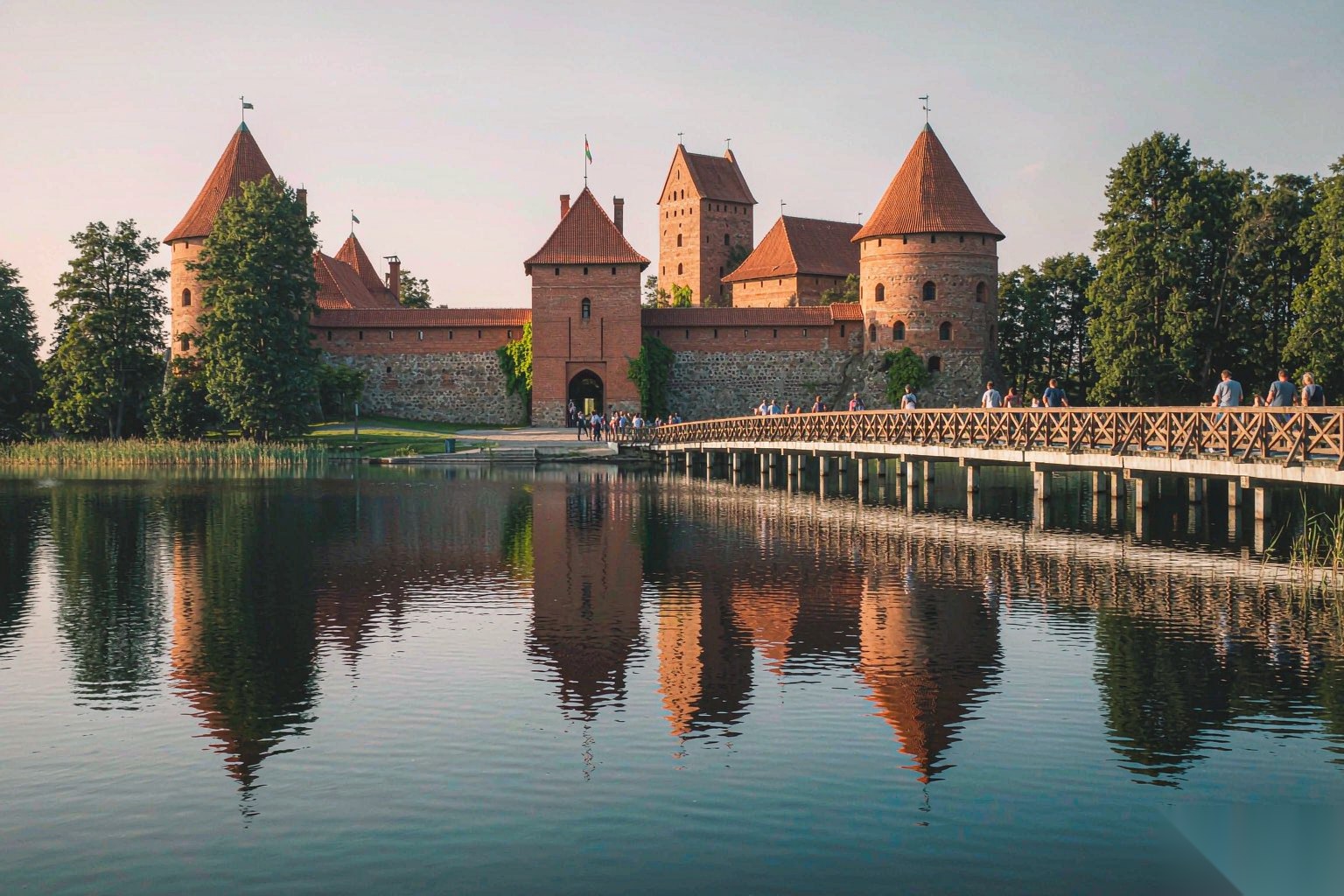
28 km from Vilnius, a 14th-century Gothic red-brick castle on Lake Galvė. The capital of the historic Duchy of Trakai, now a national symbol of Lithuania — ringed by water with red-brick towers.
Lithuania's second city; its old town is a UNESCO World Heritage candidate. Kaunas Castle (14th century), St. Michael's and St. George's churches, and an Art Nouveau district.
A UNESCO World Heritage site — a 98-km sand spit separating the Curonian Lagoon from the Baltic Sea. Home to the 64-meter Parnidžio kopa "flying dune" and the fishing villages of Nida and Juodkrantė with its "Witch Hill" wood sculptures.
12 km from Šiauliai; since 1831, Lithuanians have planted crosses here as a statement of faith — razed repeatedly under the Russian Empire and the Soviets, yet always re-erected by the people. Over 100,000 crosses stand today. A symbol of the Lithuanian spirit.
Lithuania's fourth-largest city, home to the famous "Golden Fleece" sun sculpture fountain (designed by Lithuanian artist Brone Masionienė in 1977), the Strelos pedestrian street and the Ausros Museum sundial collection.
A Vilnius landmark opened in 1972, tucked inside medieval cellars. Signature dishes: bear, venison, wild boar and elk sausages. Candlelight and stone walls for a thoroughly immersive experience.
View / Book ↗Lithuania's best-known traditional home-cooking chain, across Vilnius. Try šaltibarščiai (cold beet soup), cepelinai (giant potato dumplings) and kibinai (meat pastries).
View / Book ↗An amber museum and palace gardens in the seaside town of Palanga, holding 30,000 Baltic amber artworks. The museum shop sells handcrafted amber-silver jewelry by Lithuanian designers.
View / Book ↗Handwoven Lithuanian linen tablecloths and breathable linen clothing, carved wooden crosses and traditional margarita puppets. Pilies and Stiklių streets are the best craft streets.
View / Book ↗Founded in 1920, the largest opera and ballet theatre in the Baltics, home of the Lithuanian National Philharmonic. Lithuanian singers in international competitions often train here.
View / Book ↗Slovakia was once the "brother state" of the Czech Republic, independent since the peaceful split of 1993. The capital Bratislava is a serene little city on the Danube whose old town keeps its medieval charm. Slovakia boasts one of Europe's most spectacular castle complexes — Spiš Castle — and the Tatra Mountains in the north (Central Europe's "Alps"), a paradise for hikers.
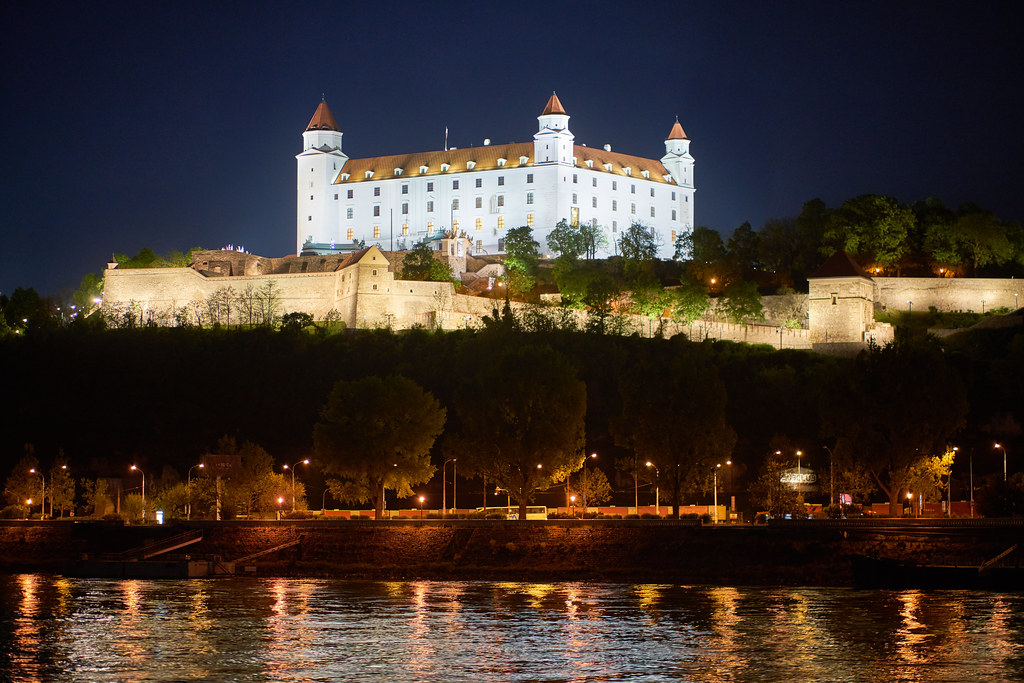
Standing on a hill above the Danube, the white four-cornered tower is Bratislava's emblem. The castle's origins date to the 9th century, and it once served as a residence of Hungarian royalty. The present building was reconstructed from ruins in the 1960s. From the castle terrace you can see all of Bratislava's old town and the distant Danube. Below the castle lies the "Coronation Road" — between 1563 and 1830, eleven Hungarian kings and eight queens were crowned here.
A refined and charming medieval old town with artistic flair in its stone lanes. The Old Town Hall on the main square is the oldest town hall building in Slovakia. The "Napoleon's Soldier" sculpture lounging on a bench in the square is a famous photo spot. Michael's Gate is the only surviving medieval city gate; its 51-meter tower offers views over the old town. The "UFO Bridge" (Most SNP) is the symbol of modern Bratislava, its flying-saucer observation deck commanding a full panorama.
A UNESCO World Heritage site and one of the largest castle ruins in Central Europe. Built in the 12th century on a limestone hill 634 meters high, covering 4 hectares, the castle was remodelled repeatedly from Romanesque to Gothic to Renaissance. From the castle you overlook the broad plains of the Spiš region and the distant Tatras. The nearby town of Spišská Kapitula preserves medieval frescoes and a precious Gothic altar.
The "national restaurant of Bratislava" on the old town pedestrian street, with house-brewed Slovak Pivo beer and traditional dishes: bryndzové halušky (the Slovak national dish of potato dumplings with sheep cheese) and kapustnica cabbage soup.
View / Book ↗Just outside the old town but a favorite with locals; traditional dishes such as goose, venison and roast suckling pig, with folk music and dance performances.
View / Book ↗Traditional Slovak hand-painted ceramics in blue, white and yellow motifs. Available at specialty shops in Bratislava's old town and at the factory store in the town of Modra.
View / Book ↗A Slovak national treasure — a salty, tangy cheese fermented from sheep's and goat's milk. Available vacuum-packed to take home, perfect for cooking with halušky dumplings.
View / Book ↗The traditional Slovak folk village of Východná in the Tatras hosts the summer folklore festival Folklórne slávnosti with folk dance, traditional costume and mountain music.
View / Book ↗Croatia is the jewel of Balkan tourism, the most radiant necklace on the eastern shore of the Adriatic. From Plitvice Lakes National Park in the north to the old city of Dubrovnik in the south, every destination is breathtaking. Dubrovnik shot to global fame again as "King's Landing" in Game of Thrones. Plitvice is called "Europe's Jiuzhaigou", and Zadar's Sea Organ plays nature's symphony with the waves.
A UNESCO World Heritage site known as the "pearl of the Adriatic". The entire old city is encircled by 25-meter-high walls, perfectly preserving its medieval character. The principal filming location of "King's Landing" in Game of Thrones, it is a place of pilgrimage for fans worldwide. Walking the full circuit of the walls (about 2 km), the contrast of red rooftops and azure sea is breathtaking. The main street Stradun is paved in white limestone that gleams like marble in the sun. Take the cable car to the top of Mount Srđ for a magnificent panorama of the old city and the Adriatic.
A UNESCO World Natural Heritage site, named for its 16 terraced lakes connected by waterfalls; the Chinese affectionately call it "Europe's Jiuzhaigou". Over millennia, water flowing over limestone and chalk deposited travertine barriers that formed natural dams, creating a series of fairy-tale lakes, caves and waterfalls. The water shimmers in every shade from emerald to sapphire, changing with season and light. The park is divided into Upper and Lower Lakes; a full hike takes about 6 hours on boardwalks and bridges threading between waterfalls and lakes.
A UNESCO World Heritage site. The Roman emperor Diocletian built a grand palace here after abdicating at the end of the 3rd century AD; today this 1,700-year-old palace "lives" within the city of Split — its walls have become homes, its underground halls a market, and the emperor's mausoleum the Cathedral of St. Domnius. Such a "living ancient monument" is extremely rare among World Heritage sites. The Riva seafront promenade, lined with cafés under palm trees, is Split's most delightful spot.
Zadar's old town holds three world-famous wonders: the Sea Organ, the Greeting to the Sun and the Roman Forum ruins. The Sea Organ, designed by artist Nikola Bašić, uses wave pressure forcing air through pipes beneath stone steps to produce ever-changing tones — nature is the performer, and the melody never repeats. The Greeting to the Sun, a disc of 300 solar panels, absorbs solar energy by day and glows in colorful light by night. Together they make Zadar's waterfront a world-class public art space.
Croatia's capital, divided into the Upper Town (Gornji Grad) and Lower Town (Donji Grad). The roof of St. Mark's Church in the Upper Town is tiled with the Croatian coat of arms and Zagreb's emblem — the city's most famous image. The Stone Gate, the only surviving medieval gate of the Upper Town, houses a painting of the Virgin Mary said to have survived a fire intact — a spiritual anchor for the people of Zagreb. The Grič Cannon fires daily at noon, a Zagreb tradition. The Museum of Broken Relationships is a uniquely touching experience.
The oldest restaurant in Dubrovnik's old town, on Široka Street since 1886. Adriatic seafood risotto (crni rižot), grilled octopus and Dalmatian pršut ham.
View / Book ↗Just outside Dubrovnik's city walls, its terrace faces the old harbor and the Adriatic. Signature dishes: Adriatic sea bass, shellfish platters and truffled bass.
View / Book ↗The neckwear of 17th-century Croatian mercenaries was named "cravate" by Louis XIV of France. Ties shops and a museum can be found in Zadar and Dubrovnik.
View / Book ↗Hvar is the lavender capital of the Adriatic, blooming in June-July. Buy lavender essential oil, lavender honey and lavender water at specialty stores in Hvar town or Split airport duty-free.
View / Book ↗Every year from July 10 to August 25, all Dubrovnik becomes a stage: open-air theatre, classical concerts, ballet and opera spread across the old city's palaces, churches and walls.
View / Book ↗Slovenia is Europe's hidden gem — small in size yet astonishing in natural beauty. Lake Bled sits like a sapphire at the foot of the Alps, its islet church the most romantic image in Slovenia. Postojna Cave is one of Europe's largest caves; ride the underground train through a world of stalactites. The capital Ljubljana is a perfect walking city — small and exquisite.
Called the "jewel of the Alps", Slovenia's most iconic landscape. The lake water is crystal clear, and a 17th-century Church of the Assumption stands on the islet at its center. Take a traditional pletna boat to the islet, climb the 99 stone steps and ring the church bell — legend says wishes made three times come true. Bled Castle, founded in the 11th century on a cliff above the lake, is the finest viewpoint. Thermal springs feed the lake; swim in summer, and in winter when the surface freezes it becomes a fairy-tale world.
One of Europe's largest karst caves, stretching 27 kilometers. Its most unique experience is riding the world's only underground cave train — gliding through a subterranean palace of stalactites and stalagmites as if entering the center of the earth. The cave's most mysterious resident is the "human fish" (Proteus anguinus), a blind amphibian that can live 100 years — the prototype of European dragon legends. The cave stays at 8-10°C year-round, so bring a jacket. Postojna Cave has welcomed over 40 million visitors.
Slovenia's capital and one of Europe's greenest, most walkable capitals. The old town spans both banks of the Ljubljanica River; the four bronze dragons of the Dragon Bridge are the city's emblem — legend says Jason, fleeing with the Golden Fleece from Greek myth, fought a dragon here. The Triple Bridge was designed by Slovenian master architect Jože Plečnik, who shaped the face of the entire city. Ljubljana Castle atop the hill, reached by funicular, offers the best panorama. The Central Market sells fresh Slovenian specialties.
New-style Slovenian cuisine beside the main square, Michelin-recommended. Signature dishes: štruklji rolled dumplings, mushroom dumplings in cream sauce and Alpine trout.
View / Book ↗Inside Ljubljana Castle, with a terrace overlooking the whole city. Traditional Slovenian dishes: jota sauerkraut stew and prekmurska gibanica layered cake.
View / Book ↗Founded in 1580 in Lipica, Slovenia — the birthplace of the "white ballet" Lipizzaner horses. Visitors can tour the stables, watch training sessions and shop at the on-site souvenir store.
View / Book ↗A traditional hand-crocheted lace invented by miners' wives in Idrija since the 17th century. Available at the Idrija town hall store and Ljubljana old town craft shops — pricey but astonishingly fine.
View / Book ↗One of Europe's largest caves: 5 km of sightseeing tunnels, an underground train and an underground river boat ride. Home of the "human fish" Proteus anguinus (a living fossil amphibian). Open year-round; tickets on the official website.
View / Book ↗Serbia is the central country of the Balkan Peninsula; its capital Belgrade is called the "key to the Balkans" — where the Danube meets the Sava, a crossroads of Eastern and Western civilizations since ancient times. As the heart of the former Yugoslavia, it carries the memory and legacy of the Tito era. Visa-free for Chinese citizens — just pack and go. The Drvengrad (Wooden Town) and the Tara River Bridge evoke the classic Yugoslav film "Bridge".
Belgrade's emblem, standing on the hill at the confluence of the Danube and the Sava. Founded in Celtic times, the fortress was fortified and expanded by the Romans, Byzantines, Ottomans and Austro-Hungarians. Today it is Belgrade's largest park and finest viewpoint — from the walls you watch two great rivers of different hues merge into one, marveling at nature's artistry. Cannons and tanks on display bear witness to the land's turbulent history.
One of the largest Orthodox churches in the world and the most magnificent in the Balkans. Built to honor Saint Sava, patron saint of Serbia, construction began in 1935 and, interrupted repeatedly by wars, continues to this day. The pure white marble exterior is solemn and sacred; the interior covers 4,800 square meters beneath a dome 70 meters high, seating 10,000. The crypt is complete, its glittering golden mosaic murals breathtaking.
The final resting place of Josip Broz Tito, leader of the former Yugoslavia. After his death in 1980, he was buried, per his wish, in the flower house of the residence he loved most. The adjacent exhibition halls display his marshal's uniforms, gifts from world leaders and the traditional costumes of Yugoslavia's peoples. Tito's life mirrors the rise and fall of Yugoslavia — leader of the Non-Aligned Movement and the strongman who held the multi-ethnic federation together for 37 years. For many older Chinese visitors, this is a place to recall the era of "Walter".
A utopian village built by Serbian director Emir Kusturica for his film Life Is a Miracle, set in the Zlatibor mountains. The whole village is hand-built of wood — church, library, cinema and restaurant — every house brightly colored. Anti-globalization in spirit, it is a world apart. Nearby, the narrow-gauge railway "Šargan Eight" is a relic of the former Yugoslav narrow-gauge network; ride the tourist train through mountain tunnels and gorges.
On May 8, 1999, during the NATO bombing of Belgrade, a bomb struck the Chinese embassy in Yugoslavia, killing three Chinese journalists. A Chinese Cultural Center now stands on the site; the memorial plaque at the entrance reads in Serbian and Chinese: "We hereby thank the People's Republic of China for the support and friendship extended to the people of Serbia in the most difficult times, and we hereby remember the martyrs." This is a place of mourning every Chinese visitor to Belgrade must visit.
The oldest kafana (tavern) on Belgrade's bohemian street Skadarlija, in business since 1864. Traditional dishes: ćevapi grilled meat, ajvar pepper relish, pljukanci pasta, with live Gypsy violin.
View / Book ↗Belgrade's second-oldest kafana; its name "?" came from not having chosen one at registration. At the north end of Republic Square, serving traditional Serbian and Balkan cuisine.
View / Book ↗Belgrade's main pedestrian artery lined with 19th-century buildings and boutiques. Buy Serbian crafts: wood carvings, ceramics, Kopaonik honey and šljivovica plum brandy.
View / Book ↗Serbia is the homeland of rakija brandy, in plum, apricot, pear, grape and honey varieties. Šljivovica plum brandy is the national drink; available at airport duty-free.
View / Book ↗Belgrade's "bohemian quarter" — century-old kafanas along a cobblestone street. From 7 p.m. nightly, many taverns host traditional sevdah ballads with live accordion, an atmosphere like 19th-century Montmartre.
View / Book ↗Bosnia and Herzegovina is the most multicultural country of the Balkan Peninsula. Its capital Sarajevo became famous in China through the film Walter Defends Sarajevo; it is called the "Jerusalem of Europe" — mosques, Catholic churches, Orthodox churches and synagogues coexist here. Stari Most, the Old Bridge of Mostar, is one of the most beautiful structures in the Balkans, and the local tradition of young men diving from its 24-meter-high arch into the river below continues to this day.
An Ottoman-style old town built in the 16th century, home to the country's most colorful and atmospheric bazaar. The clock tower, coppersmiths' street, mosque and its green dome seen in the film Walter Defends Sarajevo are all real locations. The coppersmiths' street has been the heart of the craft quarter since the 15th century, its clatter of hammered copper still echoing through the narrow lanes. The Gazi Husrev-beg Mosque is Sarajevo's most famous mosque, quintessential Ottoman architecture. At the eastern edge of the old town, the Latin Bridge was the flashpoint of World War I — Archduke Franz Ferdinand was assassinated here in 1914, igniting the Great War.
A UNESCO World Heritage site spanning the Neretva River, once praised as "the rainbow that greets the Milky Way". Built in 1566 by Ottoman architect Mimar Hayruddin, it was the widest stone arch bridge in the world at the time. Destroyed by artillery fire in 1993 during the Bosnian War, it was rebuilt in 2004 using original techniques and stone. The first ceremony after reconstruction was the traditional dive — young men leaping from the 24-meter-high arch into the icy river below, a test of courage practiced for centuries. Cobbled lanes fan out from the bridge on both sides, lined with shops selling carpets, copperware and traditional crafts.
An Ottoman fortification from the 18th century, the highest vantage point over Sarajevo's old town. From here you command a 360-degree panorama of all Sarajevo — dense red rooftops, the minarets and green domes of mosques, and the Miljacka River cutting through the city. The view at sunset is especially magnificent. A dialogue scene from Walter Defends Sarajevo was filmed at the Yellow Fortress, making it a pilgrimage spot for Chinese visitors.
The most famous ćevapi restaurant in Sarajevo's Baščaršija. Ćevapi is Bosnia's national staple: hand-minced beef strips with pita bread, onions and sour cream — simple and delicious.
View / Book ↗Below Mostar's Old Bridge, a museum-restaurant in an Ottoman-era stone house. Signature dishes: slow-braised beef, Bosnian coffee and hurmašice sweets.
View / Book ↗The coppersmiths' street at the end of Baščaršija, home to copper workshops with 500 years of history. Buy handmade džezva coffee pots, copper plates, copper coffee sets and copper violins.
View / Book ↗Bosnian coffee is brewed in a long-handled džezva pot, similar to Turkish coffee but wilder in flavor. Pair it with hurmašice (syrup-soaked filo pastry). Coffee sets are sold in old town shops.
View / Book ↗The summer diving tradition at Stari Most, revived in 1998. An official diving competition is held every July; visitors can dive at their own expense (advance registration required), and on ordinary days you can watch young locals practicing.
View / Book ↗Montenegro is small, yet it holds the most spectacular natural scenery of the Balkans. The Bay of Kotor is called "the southernmost fjord of Europe", its waters a heart-stopping blue. Kotor's old town is a UNESCO World Heritage site. Durmitor National Park contains the deepest gorge in Europe — the Tara River Canyon. The Tara River Bridge is the prototype of the classic Yugoslav film "Bridge", whose melody "Bella Ciao" still echoes today.
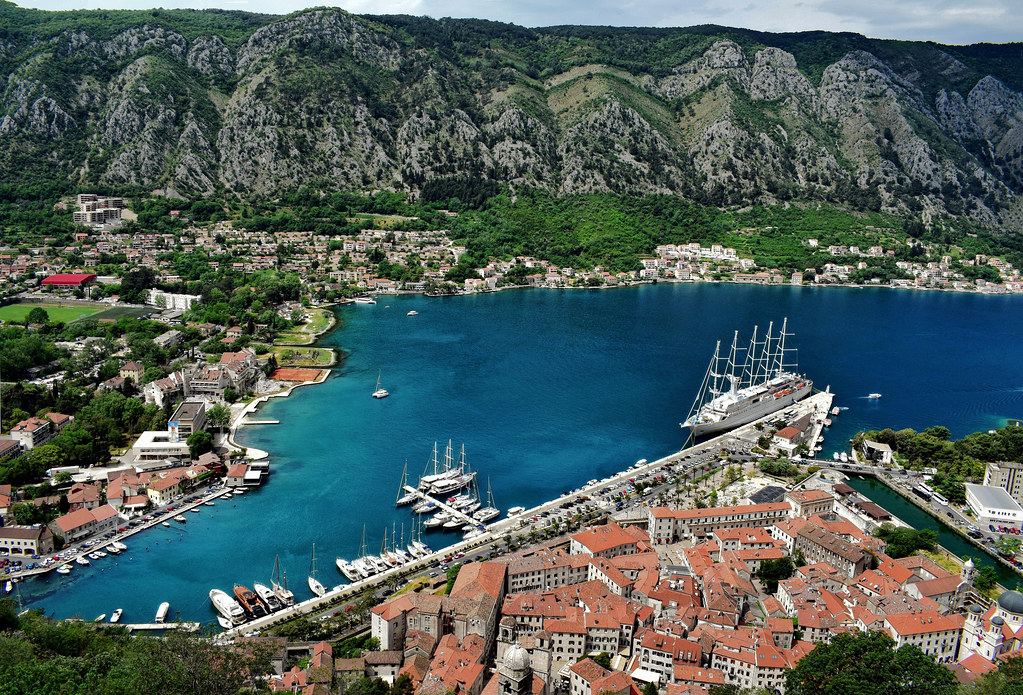
A UNESCO World Heritage site and one of the best-preserved medieval towns on the Adriatic. The city walls built during the Venetian Republic climb from the shore to cliffs 260 meters high — called "the Great Wall of Europe". Cobbled lanes maze their way through small squares, churches and mansions. The old town holds churches, palaces and squares from the 12th to 18th centuries. Known as the "city of cats", hundreds of strays roam the town as its living mascots. The scenery of the Bay of Kotor blurs the line between ancient and modern.
Perast is a picturesque town on the Bay of Kotor lined with 17th-18th century Baroque buildings. Two islets lie offshore — the natural island of St. George and the artificial island of Our Lady of the Rocks. The latter is Montenegro's only man-made island: legend says that in 1452, after two Venetian sailors found an icon of the Madonna on a rock, sailors threw stones into the sea on every safe return, and the pile gradually became an island. The island's 15th-century blue-domed church holds 68 frescoes and silver votive plaques. Taking a boat to the islet is a classic Bay of Kotor experience.
A UNESCO World Natural Heritage site shaped by glaciers. The Black Lake within the park lies like an emerald in a pine-ringed valley. The Tara River Canyon is the deepest gorge in Europe at 1,300 meters. The Tara River Bridge ("the Bridge"), 172 meters high, was completed in 1940, blown up by partisans in WWII and rebuilt in 1946. The Yugoslav film "Bridge" was adapted from this true story, and its song "Bella Ciao" is sung to this day. Standing on the bridge gazing into the vast chasm, you can still feel the heroism of those war-torn years.
Budva is Montenegro's most famous seaside resort, nicknamed "miniature Dubrovnik"; its old town was designed and built by the Venetians. Sveti Stefan Island is Montenegro's calling card — a sea-bound fairyland evolved from a medieval fishing village, linked to the mainland by a 100-meter narrow isthmus, now operated as a luxury resort by Aman Resorts. Gazing at this "castle floating on the sea" feels like glimpsing a legendary maritime kingdom.
On the Tivat shore opposite Kotor, with a sea-view terrace. Signature dishes: Montenegrin oysters, local Vranac wine and seafood risotto (crni rižot).
View / Book ↗A converted old mill outside Kotor's old town, with Ottoman-style architecture and a riverside terrace. Signature dishes: Kotor steak and seafood pasta.
View / Book ↗Montenegro is named "Crna Gora" (Black Mountain); Vranac and Krstač wines are local specialties, and the Mediterranean climate yields superb olive oil. Available in Kotor old town shops.
View / Book ↗Traditional Montenegrin woolen embroidered kapa hats, knitted socks and handmade wood carvings. Available at souvenir shops in Budva and Kotor's old town.
View / Book ↗Every July-August, Kotor's old town hosts the KotorArt festival — classical music, theatre, ballet, jazz and experimental art spread across the old city's squares, churches and seafront.
View / Book ↗Romania is one of the largest countries in Eastern Europe, called "the homeland of vampires". Bran Castle near Brașov (the "Dracula Castle") is world-famous thanks to Irish writer Bram Stoker's vampire novel. The capital Bucharest is nicknamed "Little Paris", and the Palace of the Parliament is the second largest building in the world. The castles, churches and medieval towns of Transylvania compose a mysterious Eastern European panorama.
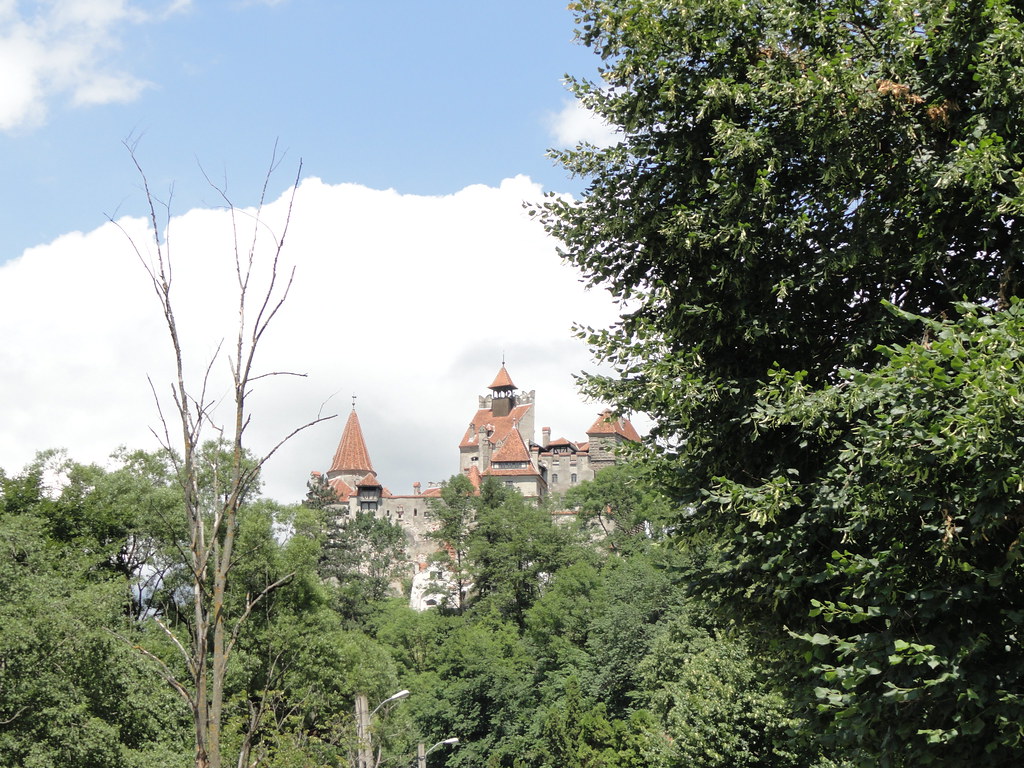
Famous worldwide through Bram Stoker's novel Dracula. Built in the 14th century on a precipitous crag in Transylvania, the castle is often wrapped in mist — genuinely eerie. Though the historical "Dracula" (Vlad III) never actually lived here, that does not stop the castle from being a pilgrimage site for vampire fans worldwide. The interior displays the life of medieval Romanian nobility and instruments of torture. About a 30-minute drive from Brașov.
Bucharest is called "Little Paris"; the Old Town's Calea Victoriei is lined with French-style Art Nouveau buildings. The Palace of the Parliament, ordered built by former leader Nicolae Ceaușescu, covers 330,000 square meters — the second largest building in the world after the Pentagon. Its 1,000+ rooms dazzle with marble and gold. But the building's cost was the demolition of large swathes of Bucharest's old town.
Brașov is one of the most beautiful medieval cities in Transylvania; the Black Church is Romania's largest Gothic church. Sighișoara is the birthplace of Vlad III, the prototype of "Dracula", and preserves its medieval fortifications and colorful houses intact. The old town clock tower overlooks the whole city. Every July, the "Medieval Arts Festival" transports the town back centuries.
Bucharest's most famous restaurant, opened in 1879 with an Italian Renaissance hall and underground wine cellar. Signature dishes: sarmale cabbage rolls, mici grilled sausages and mămăligă polenta.
View / Book ↗In the heart of Bucharest's old town, a caravanserai built in 1808 by the Armenian merchant Manuc Bey. Traditional Romanian cuisine, a cellar wine bar and Gypsy violin music.
View / Book ↗The open-air museum in Herăstrău Park, Bucharest, has a shop selling Romanian handicrafts: traditional ie peasant blouses, handmade ceramics, Mărțișor spring symbols and Magura wood carvings.
View / Book ↗The embroidered IA blouse and maramă headscarf of Romanian traditional dress are UNESCO heritage. Buy them at craft shops on Lipscani Street in Bucharest's old town.
View / Book ↗On some weekends, the Village Museum in Herăstrău Park hosts traditional folk evenings: traditional dishes, Romanian Călușari kick dances and Doina folk songs.
View / Book ↗Bulgaria is the "land of roses" in the southeast of the Balkan Peninsula, producing 70% of the world's rose oil. The capital Sofia is a charming garden city of white and pale-yellow buildings. Rila Monastery is the spiritual symbol of Bulgaria. Plovdiv is one of Europe's oldest cities, older than Rome. Bulgaria is also the birthplace of yogurt.
A UNESCO World Heritage site and Bulgaria's largest monastery, founded in the 10th century. Nestled deep in the Rila valley, ringed by mountains, the monastery's orderly layout resembles a medieval fortress. Most striking are the Hrelyo Tower (1596) and the vividly colored frescoes covering the exterior walls of the Church of the Nativity — biblical scenes whose colors remain brilliant after centuries. During Ottoman rule the monastery was a refuge for Bulgarian culture and Orthodox faith, and it stands as a symbol of the Bulgarian spirit.
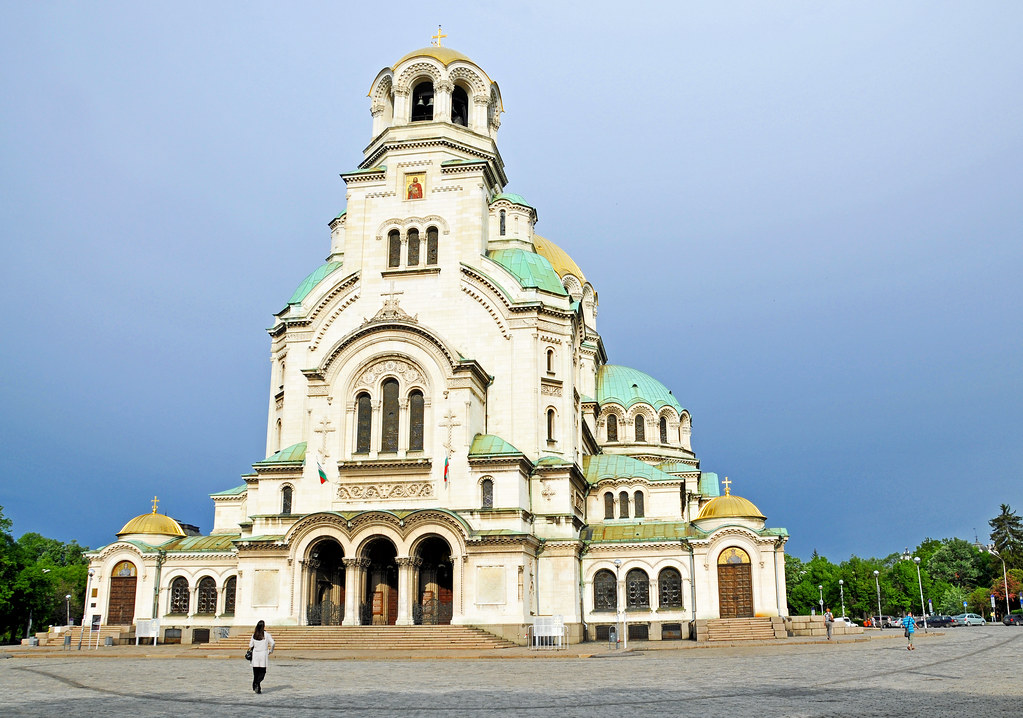
The capital of Bulgaria, a charming garden city. Alexander Nevsky Cathedral is the second largest Orthodox church in the Balkans, its golden domes glittering in the sun. The Church of St. Sofia is the city's oldest church, after which the city is named. St. Nedelya Church stands on the central square. Beside the mineral baths you can still see residents collecting thermal spring water — a unique local sight. Sofia's buildings are mostly white or pale yellow, set off beautifully by colorful flowers and greenery.
One of Europe's oldest continuously inhabited cities, with over 6,000 years of history — a millennium older than Rome. The old town spreads over three hills, preserving Thracian, Roman and Bulgarian National Revival architecture. The ancient Roman theatre seats 6,000 and is still used for performances today. The Revival-era wooden houses are brilliantly colored, with projecting upper floors and carved window frames.
Sofia's most famous traditional restaurant, set in a 14th-century medieval wine cellar. Signature dishes: Shopska salad (Bulgaria's national dish), kebapcheta grilled sausages, banitsa cheese pie and rose wine.
View / Book ↗The decor evokes a Bulgarian Orthodox monastery; the menu focuses on monastic traditions: tarator cold soup and baked eggplant with sirene cheese and honey.
View / Book ↗The "Rose Valley" near Kazanlak is the world's largest rose producer, harvested in May-June. Rosa Damascena essential oil is "liquid gold"; buy cosmetics and essential oil.
View / Book ↗The Lactobacillus bulgaricus bacterium was central to Metchnikoff's longevity research; Bulgarian yogurt and sirene (sheep's milk cheese) are national calling cards.
View / Book ↗Many traditional restaurants in Sofia host Bulgarian folklore performances nightly: the Horo circle dance, polyphonic women's singing in the style of Le Mystère des Voix Bulgares, and traditional costumes.
View / Book ↗Greece is the cradle of Western civilization; the Acropolis of Athens is the "crown jewel" of World Heritage. The blue-domed churches and cliffside hotels of Santorini are the honeymoon paradise of countless dreams. The monasteries of Meteora "hang" atop towering rock pillars — an architectural miracle. The Aegean Sea, olive oil and Mediterranean cuisine — everything here stirs the heart.
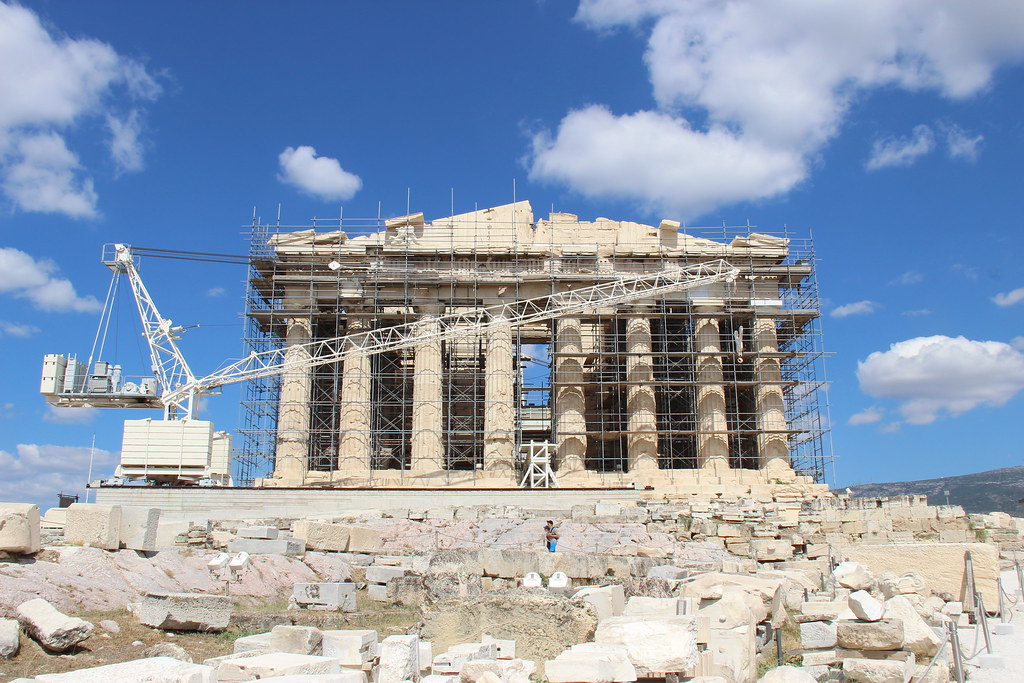
A UNESCO World Heritage site and the symbol of Western civilization. The Acropolis was built during Athens' Golden Age in the 5th century BC under Pericles. The Parthenon is the pinnacle of Doric architecture, dedicated to the goddess Athena. After 2,500 years of weather and war it stands in ruins, yet its perfect proportions and grandeur still inspire awe. The new Acropolis Museum at the foot of the hill displays archaeological finds beneath glass floors — the best starting point for understanding ancient Greek civilization.
The most romantic island of the Aegean, shaped like a crescent by a volcanic eruption. The village of Oia is famous for the "world's most beautiful sunset" — blue-domed white churches tiered down the cliff, everything painted gold at dusk. Fira clings to a caldera cliff 300 meters high; take the cable car or ride a donkey down to the old port. The Red Beach and Black Beach each have their own character. The island's volcanic soil gives its wines a distinctive flavor.
A UNESCO World Heritage site — the "monasteries in the air". In the 14th century, monks climbed the tops of rock pillars up to 400 meters high and built 24 monasteries on the sheer cliffs (six survive). The monks moved up and down by rope and basket until stone steps were cut in the 20th century. Standing on a monastery terrace overlooking the Thessaly plain, you truly understand what "unity of heaven and man" means. The James Bond film For Your Eyes Only was shot here.
An old-style Greek mezedopoleio near the Varvakios central market. Greek meze platters (olives, cheese, octopus, eggplant dip), roast suckling pig and local wine.
View / Book ↗A Cretan traditional restaurant in the Plaka district. Signature dishes: dakos (tomato with sheep cheese and olive oil), antikristo slow-roasted lamb and Cretan raki.
View / Book ↗Greece is the world's third largest olive oil producer; Cretan extra virgin olive oil is top grade. Olive soap is a Greek craft tradition, and Chios mastic is a rare specialty.
View / Book ↗Greek thyme honey is world-famous, best from Mykonos and Crete. Ouzo is the Greek national aperitif; the "Lesvos" brand is the classic.
View / Book ↗A Roman theatre on the south slope of the Acropolis, built in 161 AD, hosting classical drama, jazz, ballet and opera each June-September as part of the Athens Festival. Performing under the stars at the foot of the Acropolis is a "once in a lifetime" experience.
View / Book ↗North Macedonia is a small country in the central Balkans with deep history and beautiful nature. Its capital Skopje was transformed by the 2014 "skopje project", filling the city with statues and classical-style buildings. Lake Ohrid is the deepest lake in the Balkans, a UNESCO dual natural and cultural heritage site, called the "Jerusalem of the Balkans".
The capital of North Macedonia, bisected by the Vardar River. The 15th-century Stone Bridge links the old and new towns and is the city's emblem. Mustafa Pasha Mosque and the Old Bazaar exude Ottoman atmosphere. The "Skopje 2014" urban renewal project, launched in 2014, installed hundreds of statues and classical-style buildings across the city — a fresh yet controversial transformation. The Old Bazaar brims with small shops and local flavor.
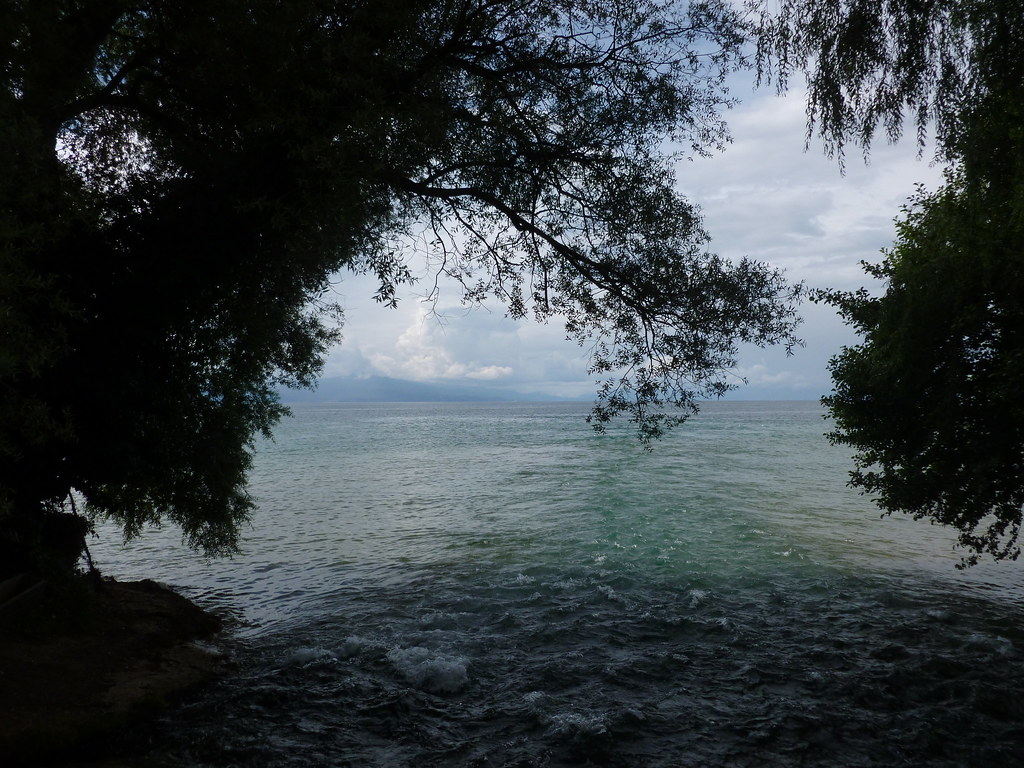
A UNESCO World Natural and Cultural Heritage site. Lake Ohrid is one of the deepest and oldest lakes in Europe; its deep blue waters inspired Byzantine fresco artists. The Church of St. John stands on a cliff above the lake, its reflection in the sapphire water the most iconic image of North Macedonia — a landscape of serene beauty. The old town of Ohrid holds 365 churches and monasteries (one for each day of the year) and is called the "Jerusalem of the Balkans". Lonely Planet named it one of the best travel cities of 2017.
In the Kaneo area on the cliffs of Ohrid's old town, its terrace facing Lake Ohrid. Signature dishes: Ohrid trout with local white wine, ajvar relish and tavče gravče baked beans.
View / Book ↗A lakeside restaurant on the Kaneo peninsula of Lake Ohrid. Signature dishes: grilled Ohrid salmon trout, traditional pastrmajlija pork pastry and North Macedonian red wine.
View / Book ↗Ohrid "pearls" are a craft dating to the 18th century — imitation pearls made of glass and fish scales, certified by Guinness as the "earliest imitation pearls". Available at the By Hand shop in the old town and stores by St. Sophia Church.
View / Book ↗North Macedonia is one of the Balkans' oldest wine regions; Tikveš winery's Vranec red and Žilavka white are excellent. Available at airport duty-free and old town wine shops.
View / Book ↗Every July-August since 1961, the Ohrid Summer Festival fills the old town with music — performances at St. Sophia Church, Samuel's Fortress and the lakeside amphitheatre, spanning classical music, opera and folk music.
View / Book ↗Albania is one of the most mysterious countries of the Balkans, once called "Europe's last secret". Skanderbeg Square in the capital Tirana is the heart of the city. Berat is known as the "city of a thousand windows" — Ottoman-style white houses climbing the hillside. Lake Skadar is the largest freshwater lake in the Balkans. Albania's deep ties with China also make it dear to older generations of Chinese visitors.
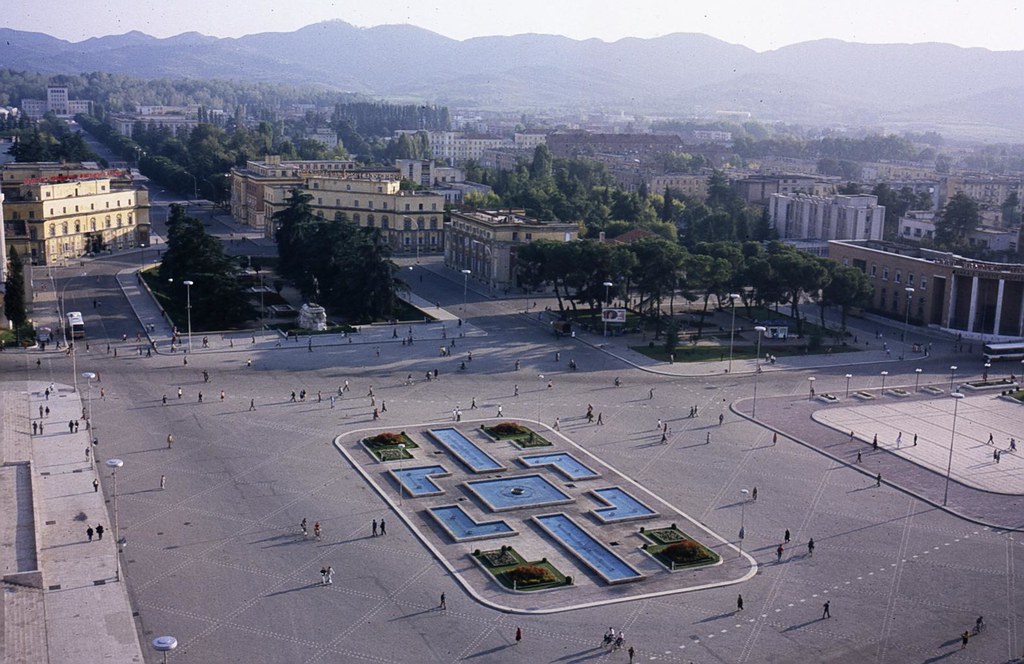
Albania's capital; Skanderbeg Square is the city center, crowned by the monument to Albania's national hero Skanderbeg. Around the square stand the Et'hem Bey Mosque, the clock tower and the National History Museum. Tirana's buildings burst with color — the former mayor (now prime minister) Edi Rama launched a "color revolution" in office, painting the facades of drab Communist-era buildings in vivid hues. This made Tirana one of Europe's most colorful capitals.
A UNESCO World Heritage site, called the "city of a thousand windows". Ottoman-era white stone houses climb the hillside, their tiered windows glittering in the sun. Berat Castle is still inhabited — a "living castle". The town holds numerous Byzantine churches with exquisite frescoes. Berat is Albania's most photogenic city and the best window onto Ottoman architecture and Albanian folk life.
Rozafa Fortress stands on a hill above the town of Shkodër, an ancient citadel from the Illyrian era. Inside survive old churches, fountains and other ruins. From the fortress you gaze across Lake Skadar — the largest freshwater lake in the Balkans, famed for its rich nature and magnificent scenery, listed as a Wetland of International Importance in 1996. Shkodër, the largest city of northern Albania, is renowned for its artists, musicians and poets.
A traditional Albanian restaurant and art gallery in Tirana's old town. Signature dishes: tavë kosi baked lamb with yogurt, byrek cheese pie, fërgesë and Albanian raki.
View / Book ↗A celebrated slow-food restaurant in Tirana's Blloku district, using traditional, non-industrialized Albanian ingredients under chef Bledar Kola. Signature dishes: handmade pasta, seafood and rye bread.
View / Book ↗The Tregu Çam area of Tirana's old town, a market continuing since Ottoman times. Buy the traditional qeleshe woolen cap, filxhani copper pots, raki brandy and olive oil.
View / Book ↗Albania is one of the world's largest producers of Mediterranean herbs and olive oil, about 30% cheaper than in Greece. Several specialty shops in Tirana's bazaar district.
View / Book ↗Albanian iso-polyphony (unaccompanied multipart singing) is a UNESCO heritage. Many traditional kafanas in Tirana host folk song performances nightly, with accordion, bagpipe and the two-stringed qifteli.
View / Book ↗